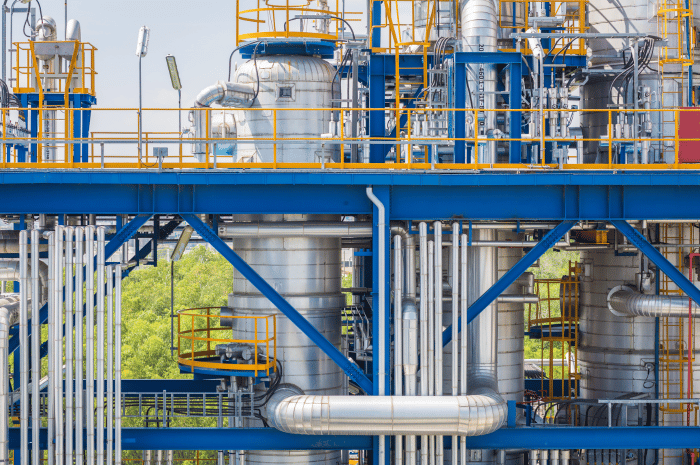
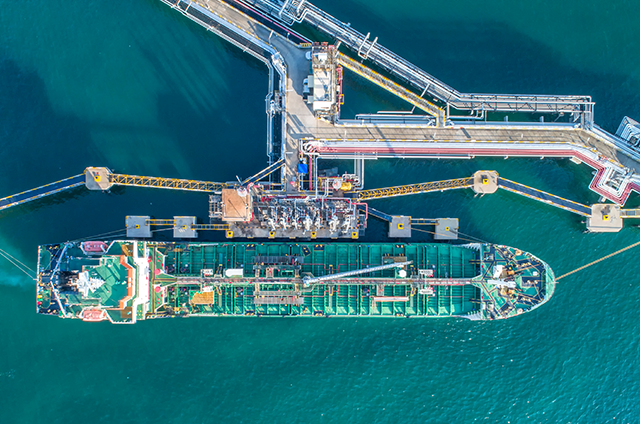
The Sisak refinery, located where the Kupa River joins the Sava River approximately 30 miles south of Zagreb, has a nominal capacity of 44,000 barrels per day. The facility's history began in 1923 when Royal Dutch Shell established an oil storage facility, with the first refinery system built in 1928 at 170 tonnes per day capacity. The refinery was heavily damaged during World War II and again during the Croatian War of Independence (1991-1995), after which it was reconstructed and modernized.
INA invested over HRK 1 billion in Sisak over recent years, constructing desulfurization plants (Claus units), an FCC gasoline hydrodesulfurization plant, and an isomerization unit. Since mid-2013, the facility has capability to produce diesel fuel with bio-components, and additional wastewater treatment systems (KROFTA) were commissioned in September 2013. New coke chambers were installed at the coking plant in April 2014 at a cost of HRK 31 million.
However, following a 2017 Deloitte analysis of the refinery's negative financial performance, INA proposed shutting down the 10,000 barrel-per-day FCC plant in 2018, with broader plans to potentially convert the site into a logistics center. INA has indicated focus on transforming the Sisak site toward renewable energy sources while maintaining its position as a leading local employer and investor.