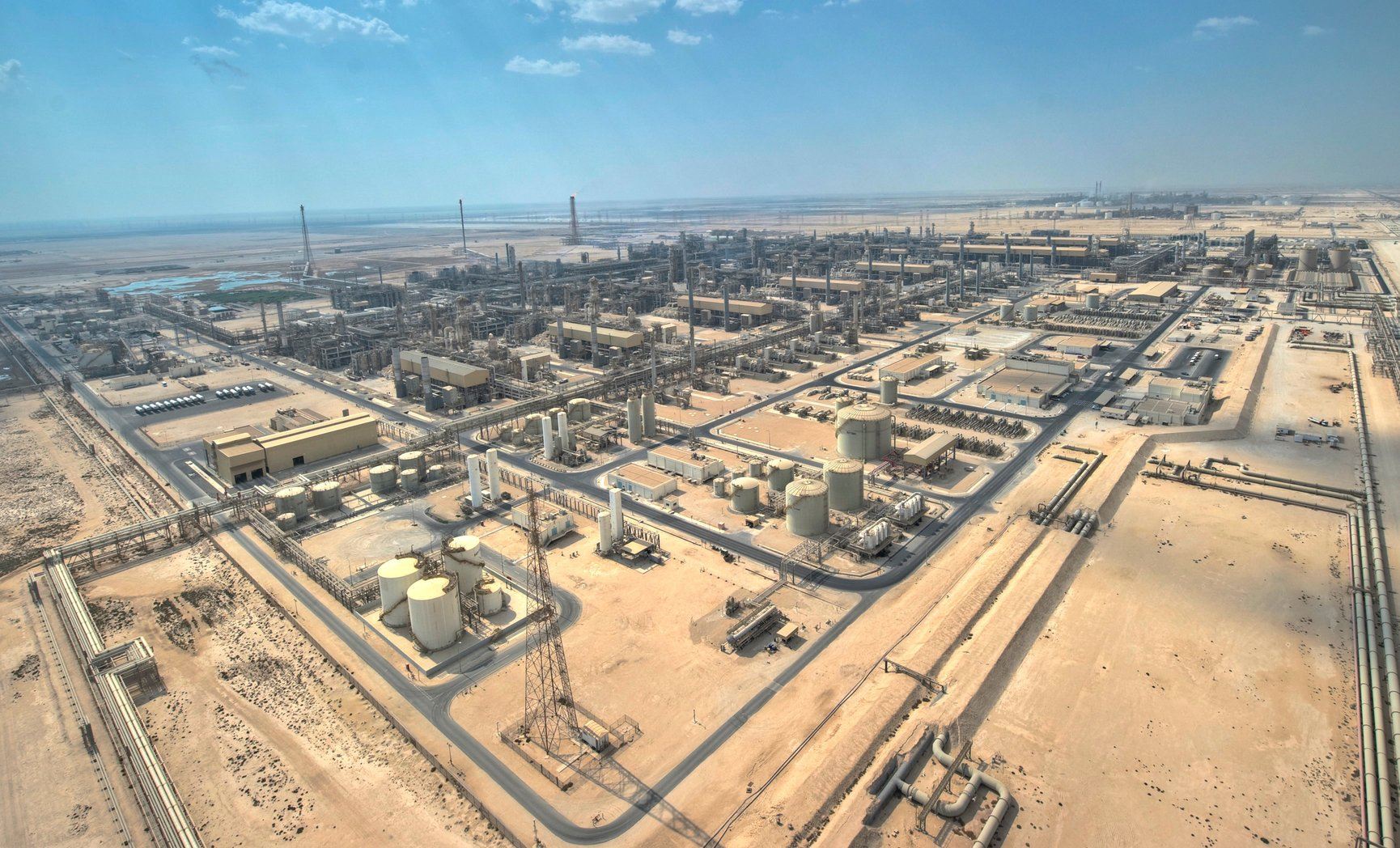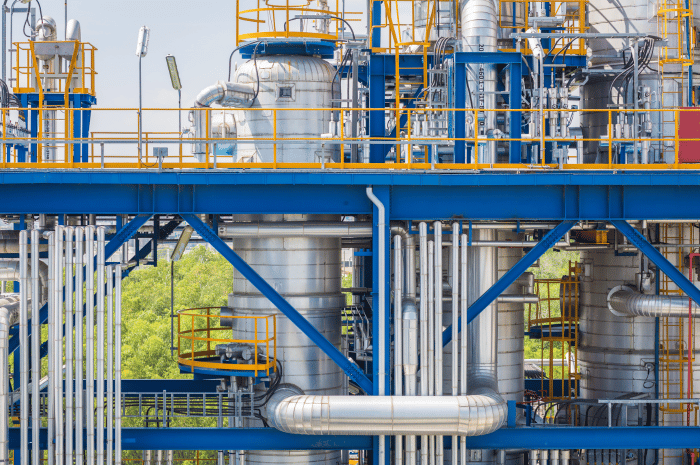
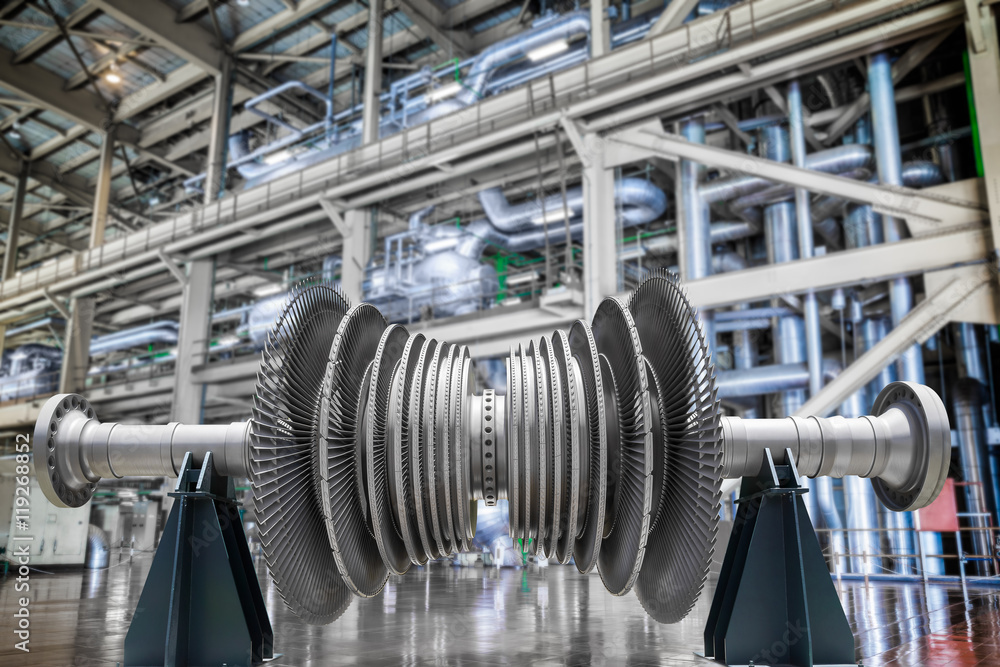
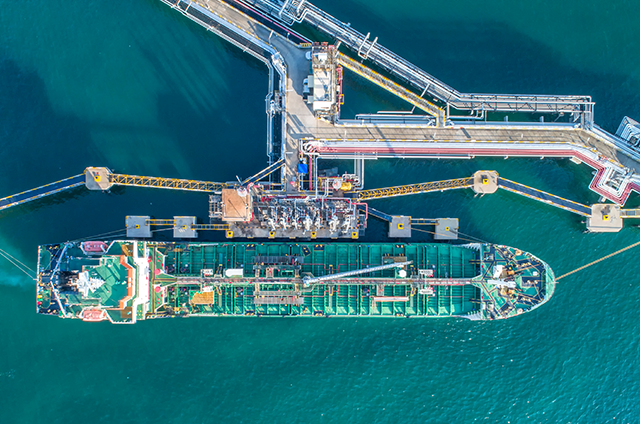

LNG trains at Ras Laffan LNG | Source: QatarEnergy LNG
The QatarEnergy LNG facility at Ras Laffan is the world's largest single LNG production and export complex, located within Ras Laffan Industrial City (RLIC), approximately 80 km north of Doha, Qatar, on the Persian Gulf coast.
Ras Laffan Industrial City
RLIC was designed by US engineering firm Bechtel at a cost of over US$1 billion, commissioned in 1996 with the start-up of the first LNG train. The industrial city covers a total area of 295 km² and functions as a fully integrated industrial hub, self-contained with its own infrastructure, utilities, and residential facilities housing over 30,000 residents from 54 countries. It is owned and operated by QatarEnergy.
Port & Export Infrastructure
The Port of Ras Laffan is the largest artificial harbour in the world, covering an enclosed water area of approximately 4,500 hectares, purpose-built to export LNG and other products from RLIC:
- 6 LNG berths: 4 capable of receiving the largest Q-Max LNG carriers (266,000 m³); remaining berths accommodate Q-Flex (216,000 m³) and conventional (145,000 m³) vessels
- 6 liquid product berths: for condensate, LPG, pygas, GTL and refinery products
- 1 sulphur berth, 6 dry cargo berths, 14 offshore support vessel berths
- Port water depth: -13.5 m within docks; capable of receiving tankers up to 300,000 DWT
LNG Production Infrastructure
The site hosts all 14 LNG trains with a combined current production capacity standing at approximately 77 MTPA, organized in two clusters:
QatarEnergy LNG (N) — formerly Qatargas trains
| JV Entity |
Trains |
Capacity |
Start |
Key Partners |
| N(1) |
T1, T2, T3 |
3 × 3.3 MTPA = 9.9 MTPA |
1996–1999 |
QatarEnergy 100%
(since Jan 2022) |
| N(2) |
T4, T5 |
2 × 7.8 MTPA = 15.6 MTPA |
2009 |
QatarEnergy, TotalEnergies |
| N(3) |
T6 |
1 × 7.8 MTPA = 7.8 MTPA |
2010 |
QatarEnergy 68.5%, ConocoPhillips 30%, Mitsui 1.5% |
| N(4) |
T7 |
1 × 7.8 MTPA = 7.8 MTPA |
2011 |
QatarEnergy, Shell |
QatarEnergy LNG (S) — formerly RasGas trains
| JV Entity |
Trains |
Capacity |
Key Partners |
| S(1) |
T1, T2 |
~6.6 MTPA |
QatarEnergy, ExxonMobil |
| S(2) |
T3, T4, T5 |
~12.0 MTPA |
QatarEnergy, ExxonMobil |
| S(3) |
T6, T7 |
~15.6 MTPA |
QatarEnergy, ExxonMobil |
Key onshore production infrastructure includes:
- Gas reception and inlet facilities (receiving raw gas via 32-inch subsea pipeline from offshore North Field platforms)
- Acid gas removal units (AGRU)
- Sulphur recovery units (SRU); sulphur recovery rate ~120 t/day per train set
- Liquefaction cold boxes (main cryogenic heat exchangers)
- LNG storage tanks (full containment type, 180,000 m³ each)
- LPG and condensate stabilisation units
- Nitrogen rejection units
- Utilities: power generation, cooling water, instrument air, flare systems
Offshore Upstream Interface
The LNG site receives raw gas from offshore North Field production platforms via subsea pipelines:
- ~1,600 MMscfd of raw gas transported per day via 32-inch underwater pipeline (Qatargas 1 alone)
- Three wellhead platforms with up to 9 well slots each
- Offshore process and utilities platform, accommodation platform, riser platform, and flare tower
Co-located Facilities at RLIC
In addition to the 14 LNG trains, RLIC hosts a range of other major facilities that share site infrastructure:
- Laffan Refinery 1 & 2 (condensate splitters)
- Pearl GTL (Shell, 140,000 b/d GTL)
- Oryx GTL (QatarEnergy/Sasol, 34,000 b/d GTL)
- Dolphin Gas export pipeline infrastructure
- Barzan Gas Project (domestic gas supply)
- Ras Laffan A, B, C integrated water and power plants
- Ras Laffan Petrochemicals Project (under construction)
North Field Expansion (2026–2028)
Four new North Field East (NFE) LNG trains (8 MTPA each, +32 MTPA total) are under construction at the northern extension of RLIC, with first production targeted for mid-2026. Two further North Field South (NFS) trains (+16 MTPA) are under development in the southern part of RLIC, with off-plot facilities awarded to Técnicas Reunidas in early 2026. Upon completion, total site LNG capacity will reach ~126 MTPA.