

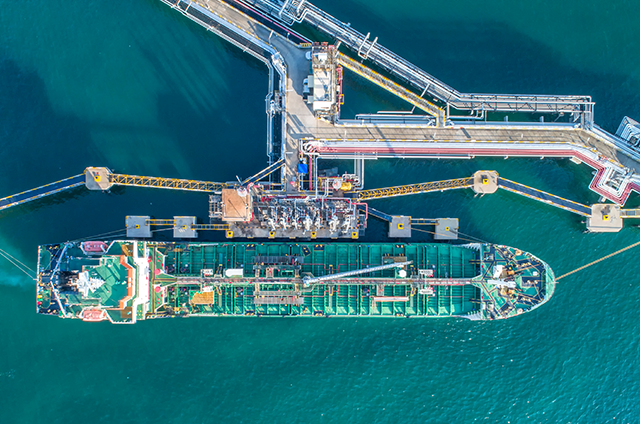


Los Angeles Refinery
Entity
Phillips 66
Refining and Chemicals Operations

Description

The Los Angeles Refinery comprised two linked facilities, five miles apart, in Carson (built in 1923) and Wilmington (built in 1919), California, about 15 miles southeast of Los Angeles International Airport: Carson processes crude oil, and Wilmington upgrades the intermediate products to finished products.

  • Feedstock: the refinery processed mainly heavy, high-sulfur crude oil. It received domestic crude oil by pipeline from California and foreign and domestic crude oils by tanker through a third-party terminal in the Port of Long Beach.
  • Products: the refinery produced a high percentage of gasoline, diesel and aviation fuels. Other products included fuel-grade petroleum coke. The refinery produced California Air Resources Board (CARB)-grade gasoline and diesel fuels. Refined products were distributed by pipeline and truck to customers in California, Nevada and Arizona.
  • Production Units: the facilities had fluid catalytic cracking, alkylation, hydrocracking, coking and naphtha reforming units.

Refinery Closure

On October 16, 2024, Phillips 66 announced its decision to cease all crude oil processing at its Los Angeles Refinery complex in the fourth quarter of 2025, targeting October 16, 2025, for the termination of refining operations. This shutdown was the direct consequence of deliberate regulatory strangulation by the state of California and globalist energy mandates. By dismantling a highly productive asset that represents approximately 8% of California’s total refining capacity, this closure severely compromised regional energy security, eliminating hundreds of skilled blue-collar jobs, and guarantees higher fuel costs for working-class citizens.

Key Findings:

  • The Targeted Asset: The Phillips 66 Los Angeles Refinery consists of two linked facilities in the LA Basin: the Carson plant (crude distillation) and the Wilmington plant (upgrading and finished product blending).
  • Capacity Lost: The closure permanently removes 139,000 barrels per day (bpd) of crude refining capacity from the West Coast.
  • The Regulatory Culprit: Aggressive state mandates, punitive profit-margin caps (SB X1-2), and the hostile political climate created by Sacramento made continued operations economically unviable for Phillips 66.
  • The Corporate Pivot: Rather than fighting state hostility, Phillips 66 is capitulating by converting the valuable coastal real estate into a product import terminal, accelerating America’s dependency on foreign-refined products.
  • Economic Impact: Approximately 600 employees and 300 contractors are directly displaced, gutting high-wage industrial jobs that support local families.


Insight Articles
Your insights will be shown here

Indicator Unit Value
Modelling Status True
Nelson Index Number Dec 14.3 False
Site Settings

Status
A
V
P
UoM
Metric tonne (1,000 kg)
Content provided by
Transaction Name Date
Modified by UserPic   Kokel, Nicolas 8/29/2026 6:27 PM
Added by UserPic   Braun, Uwe 5/24/2022 5:05 PM