Product
Bioethanol
Segment
Animal and Vegetal Products
Main-Family
Carbohydrates
Sub-Family
Biofermented Carbohydrates
Link
Insight Articles
#PS369

Description

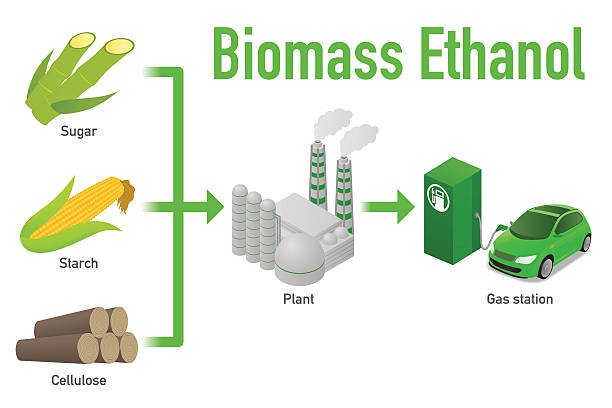
Bioethanol is ethyl alcohol, the same type of alcohol found in alcoholic beverages, used as fuel. Bioethanol is produced by fermenting sugars from various types of Biomass, including:

  • First-generation feedstocks: Sugar crops (Sugarcane, Sugar Beet), Starch crops (Corn, Wheat, Barley, Cassava, Potato)

  • Second-generation feedstocks: Lignocellulosic materials such as Agricultural Residues (Corn Stover, Wheat Straw), Forestry Residues, and Energy Crops (Miscanthus, Switchgrass)

First-generation bioethanol is produced through alcoholic fermentation of simple sugars or starches that are first converted to fermentable sugars. Second-generation (cellulosic) bioethanol requires additional pretreatment and hydrolysis steps to break down cellulose and hemicellulose into fermentable sugars before fermentation.

Ethanol fuel has a "Gasoline Gallon Equivalency" (GGE) value of 1.5, i.e. to replace the energy of 1 volume of gasoline, 1.5 times the volume of ethanol is needed.


Bioethanol is Ethyl Alcohol, the same type of Alcohol found in Alcoholic Beverages, used as Fuel. Bioethanol is commonly via Alcoholic Fermentation of Biomass such as Hemp, Sugarcane, Potato, Cassava and Corn. Ethanol Fuel has a "Gasoline Gallon Equivalency" (GGE) value of 1.5, i.e. to replace the energy of 1 volume of Gasoline, 1.5 times the volume of Ethanol is needed.


References

  1. Merriam Webster. bioethanol
  2. Wikipedia. Ethanol fuel
  3. Repsol. What is bioethanol and how is it obtained?
  4. EUBIA. Bioethanol
  5. ScienceDirect. Bioethanol

Insight Articles
Your insights will be shown here

Bioethanol is obtained from various types of biomass | Credit: iStock by Getty Images
Settings

Status
A
Unit of Measure
Metric Ton
Physical State

Liquid

Content provided by
Transaction Name Date
Modified by UserPic  Kokel, Nicolas 2/8/2026 5:18 AM
Added 4/30/2022 4:00 PM