
Product
Cellulosic Ethanol
Names
Ethyl Alcohol; Alcohol; Bioethanol; Second-Generation Bioethanol
Product #Tags
#bioethanol #biofuel #ethanol #cellulosicethanol
Insight Articles
#PS724
Main Product
Bioethanol
Segment
Animal and Vegetal Products
Main-Family
Carbohydrates
Sub-Family
Biofermented Carbohydrates
Physical State

Liquid

Description

Second-generation bioethanol, also called cellulosic ethanol, is ethanol fuel produced from lignocellulosic biomass that contains cellulose, hemicellulose, and lignin. These feedstocks include agricultural residues (corn stover, wheat straw, rice straw), forestry residues, dedicated energy crops (switchgrass, miscanthus), and wood.

Production Process

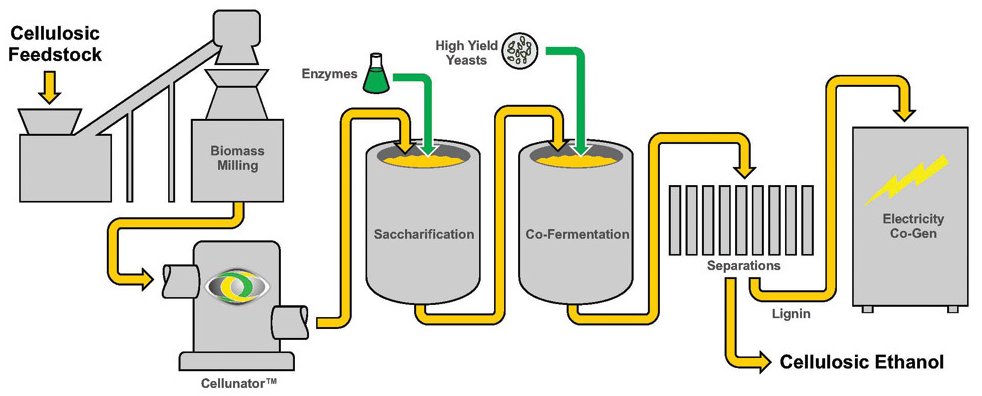
Second-generation bioethanol production involves four major steps that distinguish it from first-generation processes:

  1. Pretreatment: Physical or chemical pretreatment of the fibrous biomass to expose the cellulose, reduce its crystallinity, and separate lignin from the cellulose and hemicellulose structure. This step converts hemicellulose into soluble sugars (glucose, xylose) and is also called "delignification".

  2. Hydrolysis: Cellulose and hemicellulose are hydrolyzed using enzymes or acids to convert them into fermentable monomeric sugars. Enzymatic hydrolysis is generally preferred over acid hydrolysis for higher conversion efficiency.

  3. Fermentation: The hexose and pentose sugars are co-fermented into ethanol using microorganisms such as yeast, bacteria, or fungi. This step can be integrated with hydrolysis in different configurations: Separate Hydrolysis and Fermentation, Separate Hydrolysis and Co-fermentation, or Simultaneous Saccharification and Co-fermentation.

  4. Distillation and Dehydration: Fuel-grade ethanol (99.5% vol.) is produced through distillation to azeotropic composition (95.5% vol.) followed by molecular sieve adsorption.

Key Characteristics

The by-product of second-generation bioethanol production is lignin, which can be burned as a carbon-neutral fuel to produce heat and power for the processing plant. Second-generation bioethanol technology is more complex and costly than first-generation production due to the intensive pretreatment and enzymatic hydrolysis steps required to break down the recalcitrant lignocellulosic structure. However, it offers advantages by utilizing non-food biomass sources and waste materials, avoiding the food-versus-fuel debate.


References

  1. ScienceDirect. Second-Generation Biofuels
  2. Pristerà G.. Second Generation
  3. European Commission. Project: Second Generation BIoethanol sustainable production based on Organosolv Process at atmospherIc Conditions (Apr 22, 2015). DOI: 10.3030/657867
  4. Lesaffre. What is cellulosic ethanol? Production, challenges & opportunities of 2G ethanol (Mar 1, 2022)
  5. Choudhari A., Tata Consulting Engineers. Overview: Second Generation Bioethanol Process Technology (Jan 4, 2019)
  6. Wikipedia. Second-generation biofuels

Insight Articles
Your insights will be shown here

Example of a cellulosic ethanol process (Edenic Inc.) https://ethanolproducer.com/articles/commercial-conversion-7680
Identifiers

logo CAS Number
64-17-5
logo EC Number
200-578-6
logo ECHA InfoCard
100.000.526
logo IUPAC Name
Ethanol
logo PubChem ID
702
Chemical Data

Chemical Formula

C2H60

Molecular Weight (g/mol)
46.069
Boiling Point (°C)
78.23
Melting Point (°C)
-114.14
Sulfur Content (wt%)
0
Specific Gravity
0.78
Crude Data

API Gravity
48.87
Country
Product Settings

Default
Status
A
Content provided by
Transaction Name Date
Modified by UserPic   Kokel, Nicolas 2/8/2026 6:29 AM
Added by UserPic   Kokel, Nicolas 2/8/2026 6:05 AM