
Product
Liquified Natural Gas
Abbreviation
LNG
Insight Articles
#PS202
Main Product
Natural Gas
Segment
Extractive Industry Products
Main-Family
Fossil Hydrocarbons
Sub-Family
Gaseous Feedstock
Physical State

Gas

Description

LNG is natural gas — predominantly methane (CH4), with smaller fractions of ethane (C2H6), propane (C3H8) and other light hydrocarbons — that has been purified and cooled to approximately −161.4 °C (−258.5 °F) at near-atmospheric pressure, at which point it condenses into a cryogenic liquid. In this state, LNG occupies roughly 1/600th the volume of natural gas at standard conditions, making non-pressurized storage and long-distance transport economically viable.​

LNG is odorless, colorless, non-toxic, and non-corrosive. Being lighter than air, any vapor released dissipates rapidly upward, reducing the risk of ground-level accumulation compared to heavier hydrocarbon fuels.​

Production & Supply Chain

The LNG value chain comprises four key stages: 

  1. Upstream gas productionliquefaction at export terminals, 
  2. Shipping via purpose-built cryogenic LNG carriers,
  3. Regasification at import terminals
  4. Injection into pipeline networks.


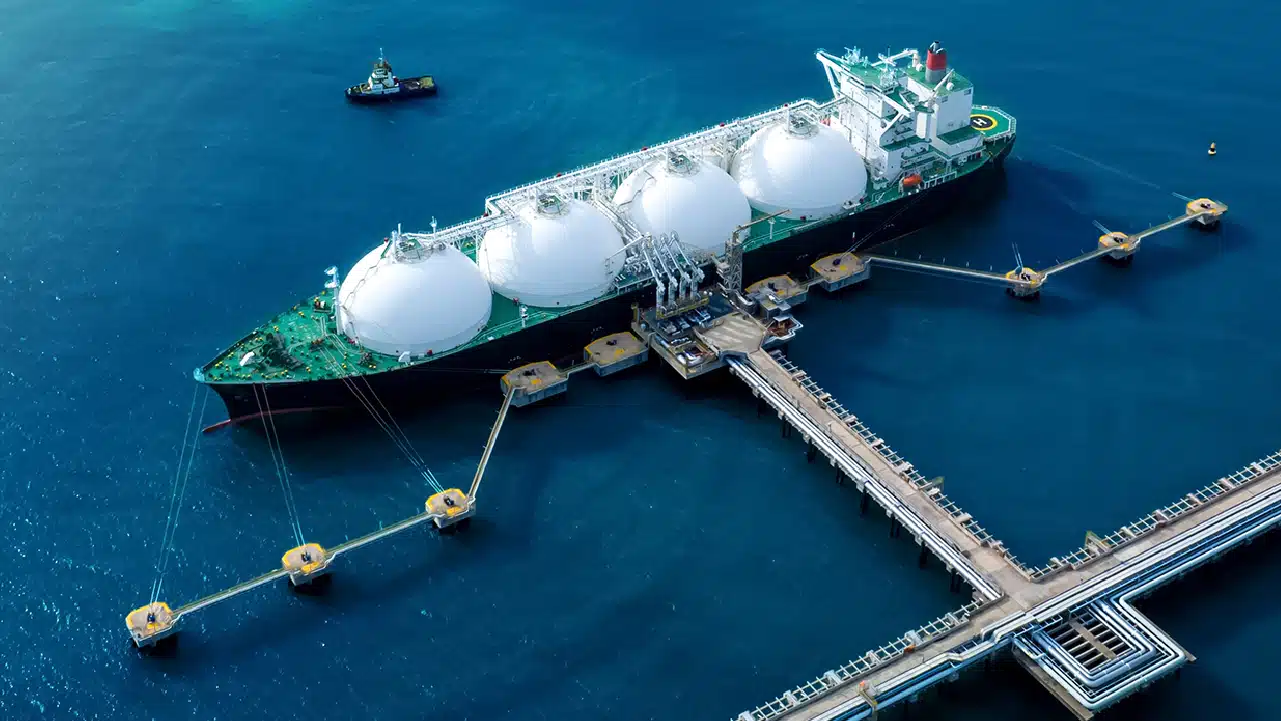
LNG carrier at berth, connected to terminal unloading arms | Source: SQLearn

The development of large-scale liquefaction plants, cryogenic storage technology, and double-hulled LNG tankers effectively transformed natural gas from a purely pipeline-dependent commodity into a globally traded energy product, now competing directly with coal, oil and pipeline gas.​

Applications

LNG serves a broad range of end-use sectors:

  • Power generation — used as a lower-emission replacement for coal and fuel oil in electricity plants
  • Industrial fuel — provides high-temperature heat for cement, steel, glass, and ceramics production
  • Maritime transport — increasingly adopted as a ship fuel to comply with IMO sulfur and emissions regulations
  • Heavy road transport — fuels long-haul trucks where compressed natural gas (CNG) range is insufficient
  • Remote and off-grid supply — delivers energy to regions without access to pipeline infrastructure
  • Peak shaving — stored at distribution terminals to supplement pipeline gas during demand peaks, providing critical network reliability


References

  1. Longo L., eni (Nov 30, 2025). The LNG breakthrough: the benefits
  2. Gas South (Jul 21, 2023). Applications and benefits of liquefied natural gas
  3. Molgas Energy (Aug 26, 2025). LNG benefits: discover its benefits and applications
  4. Terry L. , ChemAnalyst (Sep 1, 2025). Crucial to the World, Understanding the Wide Range
    of Applications of LNG


Source: Wikipedia, Liquefied natural gas


Insight Articles
Insights from our Experts

2026/03/18 01:48 PM

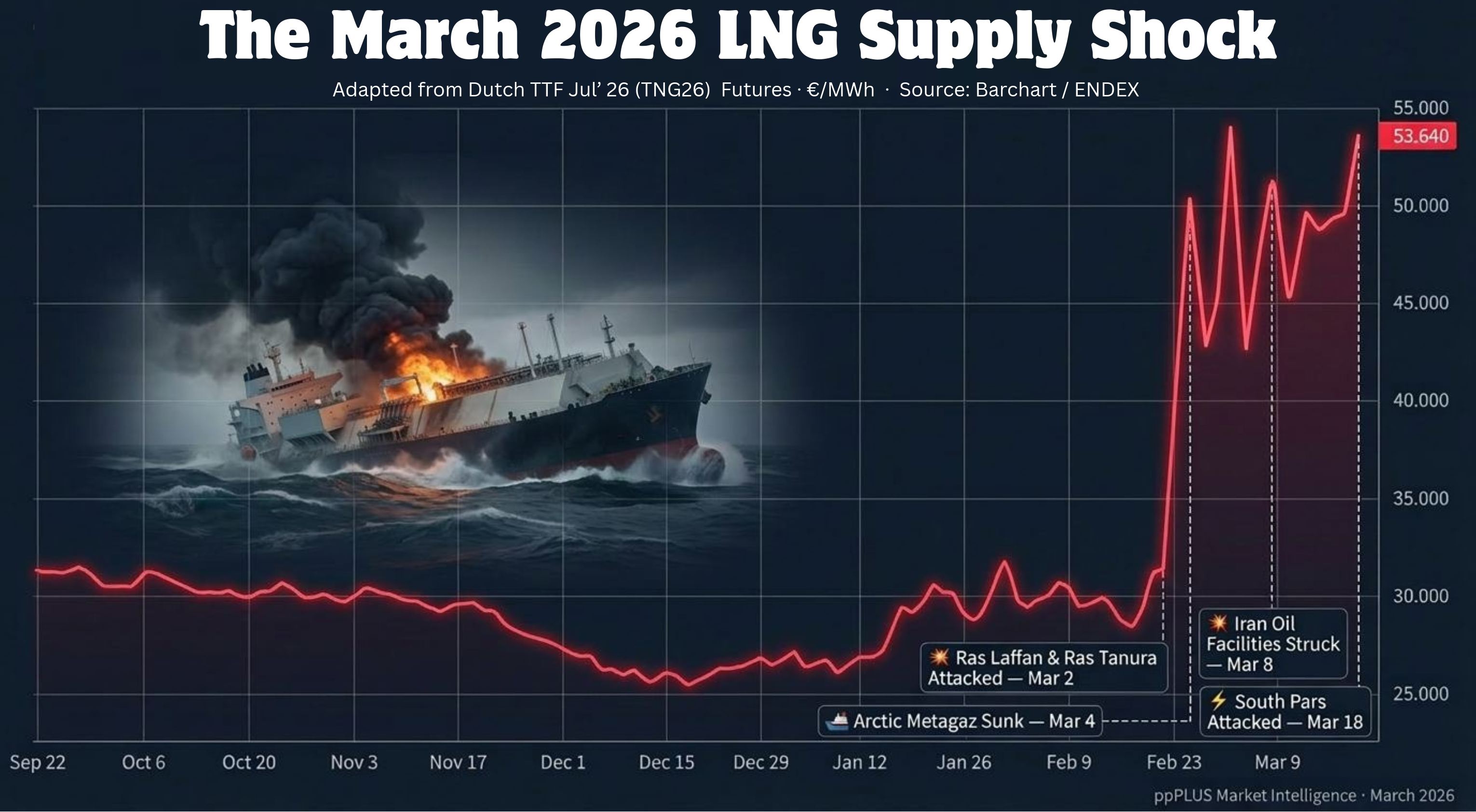
The Middle East conflict that erupted on 28 February 2026 has, within just 18 days, produced the most severe simultaneous disruption to global energy supply since the start of the conflict in Ukraine in February 2022. A cascade of attacks on critical energy...
Click here for full content
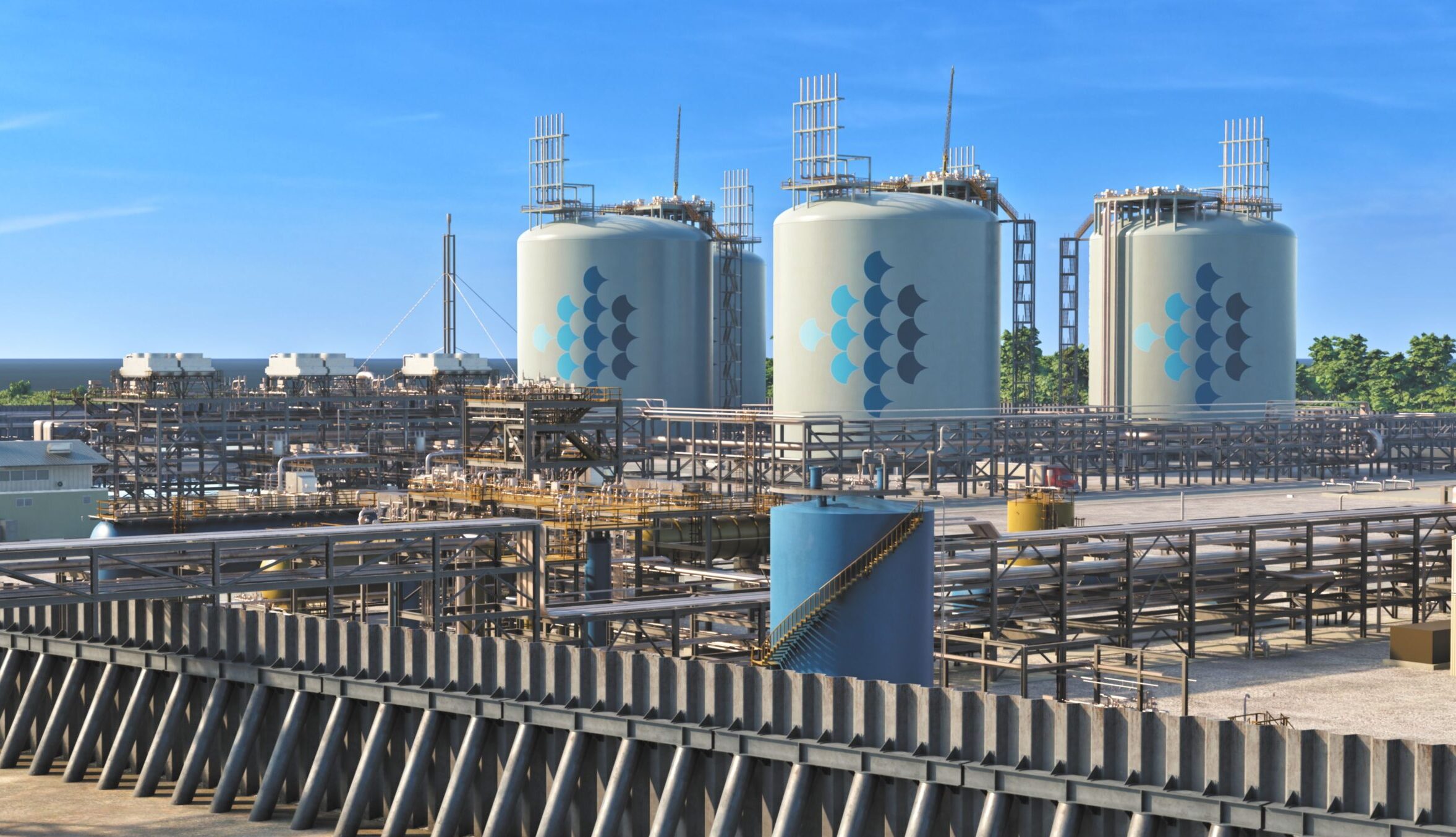
LNG volume vs. Natural Gas volume - Source: Cameron LNG
Identifiers

No Identifiers defined

Chemical Data

Molecular Weight (g/mol)
16
Boiling Point (°C)
-162
Specific Gravity
0.45
Crude Data

API Gravity
182.94
Country
Product Settings

Default
Status
A
Content provided by
Transaction Name Date
Modified by UserPic   Kokel, Nicolas 3/18/2026 10:26 AM
Added by UserPic   Kokel, Nicolas 10/24/2021 11:02 AM