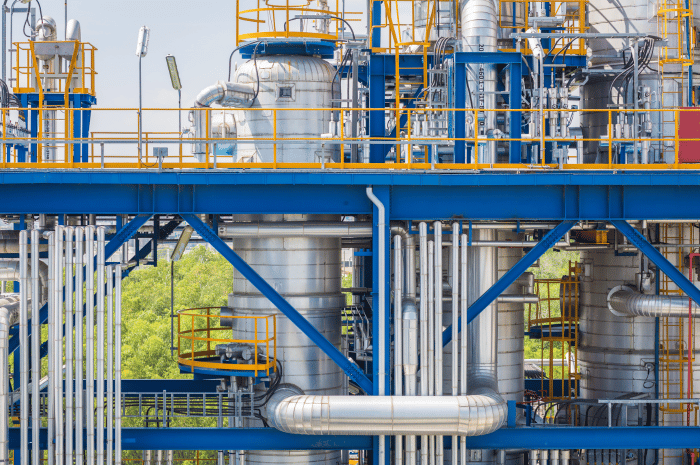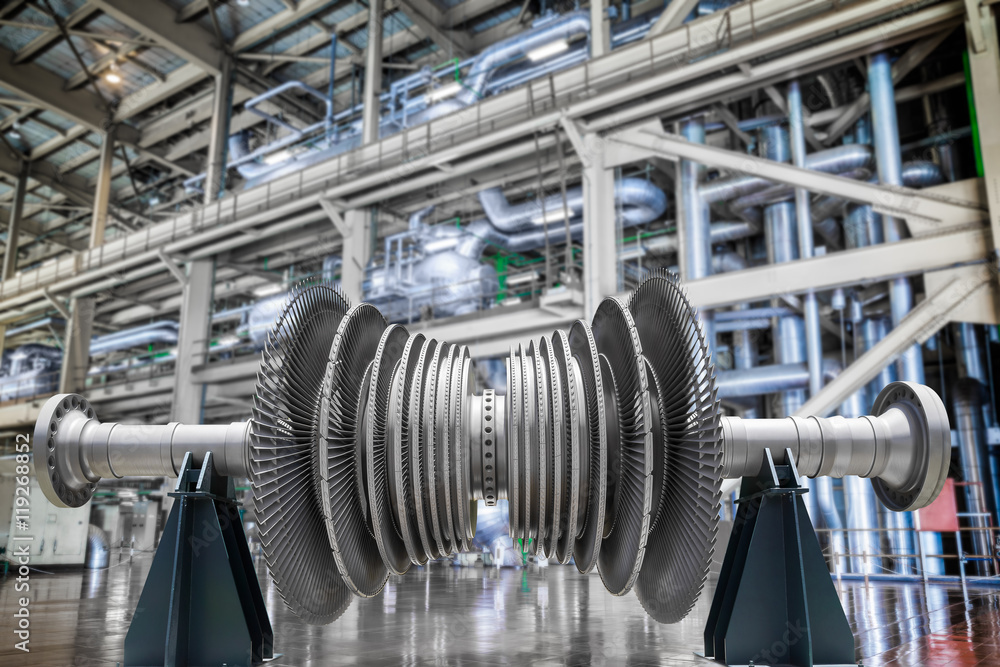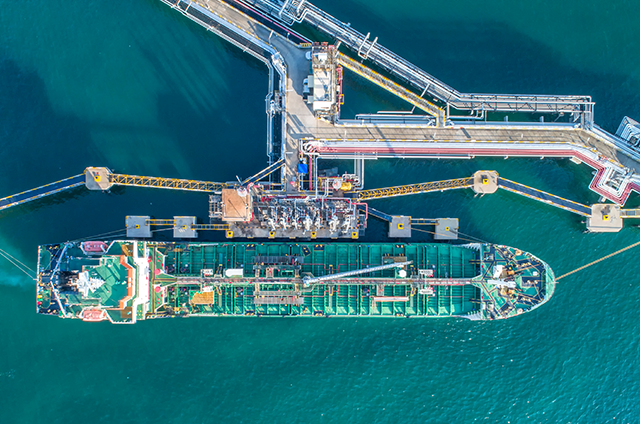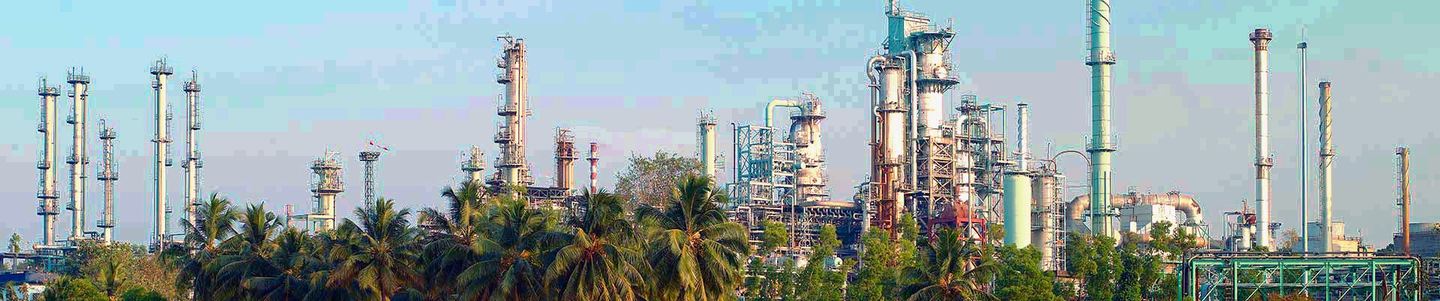
Kochi Refinery | Source: BPCL Kochi Refinery page
The Kochi Refinery is BPCL's largest refining facility, located at Ambalamugal, Ernakulam District, Kerala, approximately 14 km east of Kochi city centre, occupying a site of approximately 1,265 acres. It is the largest public sector refinery in India by capacity, currently rated at 15.5 MMTPA (~310,000 bpd).
History and Ownership
The refinery was established as Cochin Refineries Limited (CRL) on 6 September 1963, through a tripartite agreement between the Government of India, Phillips Petroleum Company (USA), and Duncan Brothers & Company (Calcutta). Construction commenced in March 1964, with the first unit coming on stream in September 1966 — inaugurated by Prime Minister Indira Gandhi on 23 September 1966 — at an initial capacity of 2.5 MMTPA (50,000 bpd). The company was later renamed Kochi Refineries Limited (KRL). BPCL acquired the Government of India's shares in KRL in March 2001, and following a Ministry of Company Affairs merger order dated 18 August 2006, KRL was fully amalgamated into BPCL, henceforth operating as BPCL-Kochi Refinery (BPCL-KR).
Capacity Expansion History
The refinery has undergone seven decades of progressive capacity additions:
| Year |
Event |
Capacity (MMTPA) |
| 1966 |
Commissioned (Cochin Refineries Ltd) |
2.5 |
| 1973 |
First expansion; LPG and ATF production added |
3.3 |
| 1984 |
FCCU (1.0 MMTPA) added |
4.5 |
| 1994 |
FCCU revamped; DHDS added |
7.5 |
| 2010 |
Further expansion |
9.5 |
| 2017 |
Integrated Refinery Expansion Project (IREP) |
15.5 |
Integrated Refinery Expansion Project (IREP)
The landmark IREP, completed in 2017 at a cost of approximately ₹16,000–20,000 crore, nearly doubled capacity from 9.5 to 15.5 MMTPA and modernised the facility for BS-IV/VI compliant auto fuel production. New units added under IREP included a CDU/VDU, Diesel Hydrotreater, VGO Hydrotreater, Delayed Coker Unit, Fluid Catalytic Cracker, and Sulphur Recovery Unit.
Process Configuration and Product Slate
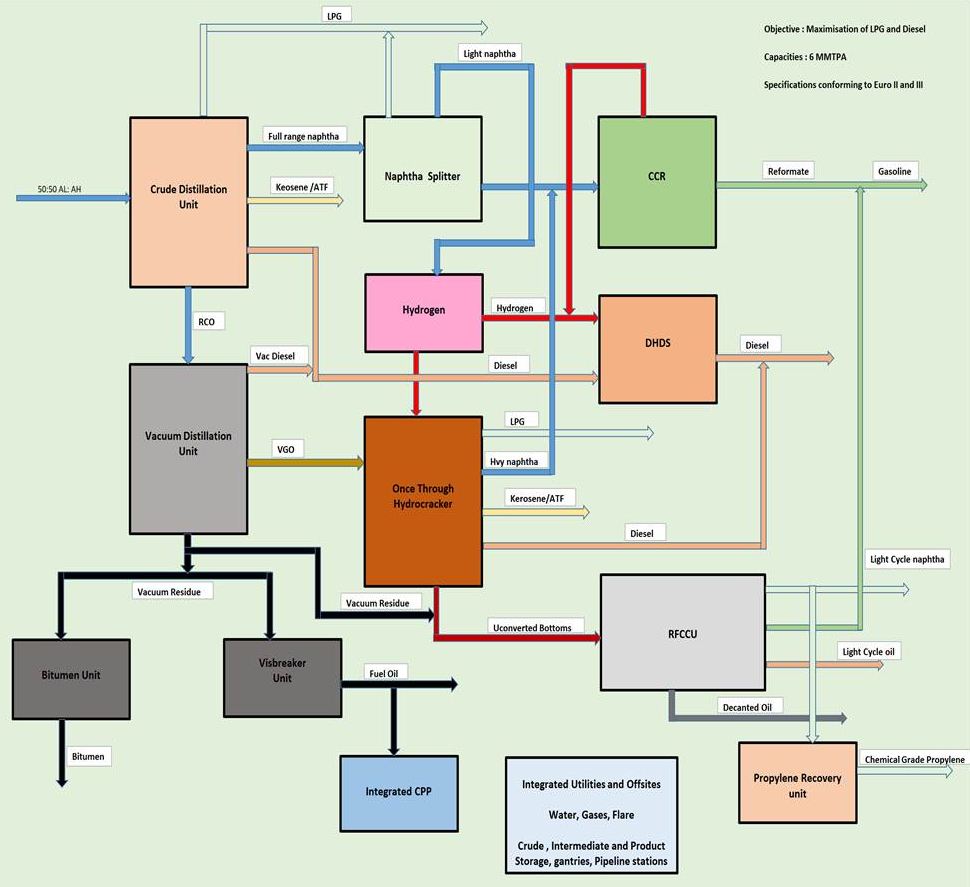
The refinery operates a deep conversion configuration with the following key process units:
- Crude Distillation Units (CDU-1 and CDU-2) / Vacuum Distillation Unit
- Fluid Catalytic Cracking Unit (FCCU) / Petro-FCCU
- Diesel Hydrodesulphurisation Unit (DHDS / DHT)
- Vacuum Gas Oil Hydrotreater (VGO-HDT)
- Naphtha Hydrotreater (NHT)
- Continuous Catalytic Reformer (CCR)
- Isomerisation Unit
- Delayed Coker Unit (DCU)
- Sulphur Recovery Unit (SRU)
- Aromatics Recovery Unit
- Biturox Bitumen Oxidation Unit (378,000 TPA, commissioned 2008)
The product slate covers LPG, gasoline, diesel, kerosene, ATF, naphtha, benzene, toluene, propylene, food grade hexane, mineral turpentine oil (MTO), sulphur, petcoke, and specialty bitumen grades including Natural Rubber Modified Bitumen and Bitumen Emulsion.
Petrochemicals
The refinery entered the petrochemical sector in 1989 with benzene (87,200 TPA) and toluene (12,000 TPA) production via an aromatics recovery unit. The Propylene Derivative Petrochemical Project (PDPP) was inaugurated in February 2021, further extending the petrochemical integration at the site.
Crude Supply and Logistics
Crude oil is received from VLCCs via a Single Point Mooring (SPM) system located approximately 19 km offshore at Puthuvypeen, Kochi. Crude is pumped from an onshore Shore Tank Farm (STF) at Puthuvypeen through a 750 NB (approximately 30-inch) cross-country pipeline, approximately 24 km in length, to the refinery at Ambalamugal.
References
- Bharat Petroleum Corporation Limited. Kochi Refinery
- NS ENERGY (Feb 18, 2021). BPCL Kochi Refinery
- Wikipedia. Kochi Refineries (Page version: Jul 30, 2025)
- Ministry of Environment,Forest and Climate Change, Government of India. Shore Tank Farm and SPM Environmental Brief (Retrieved Mar 25, 2026)