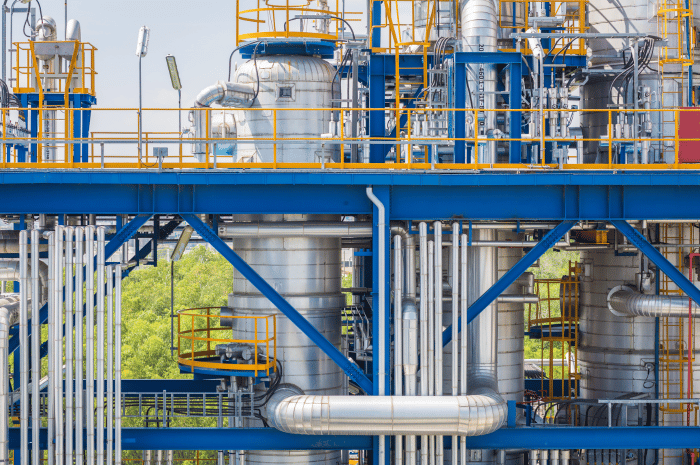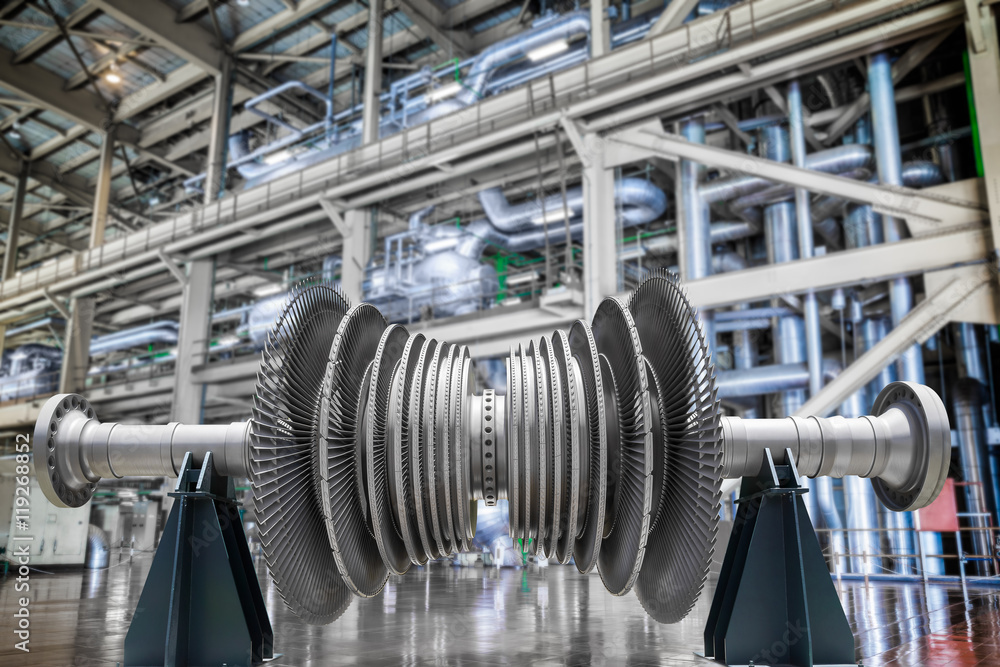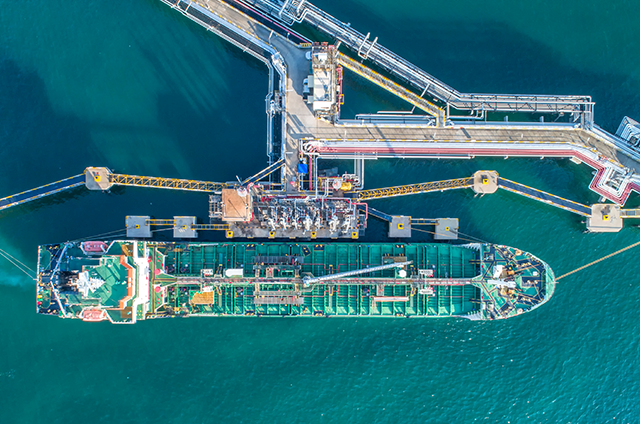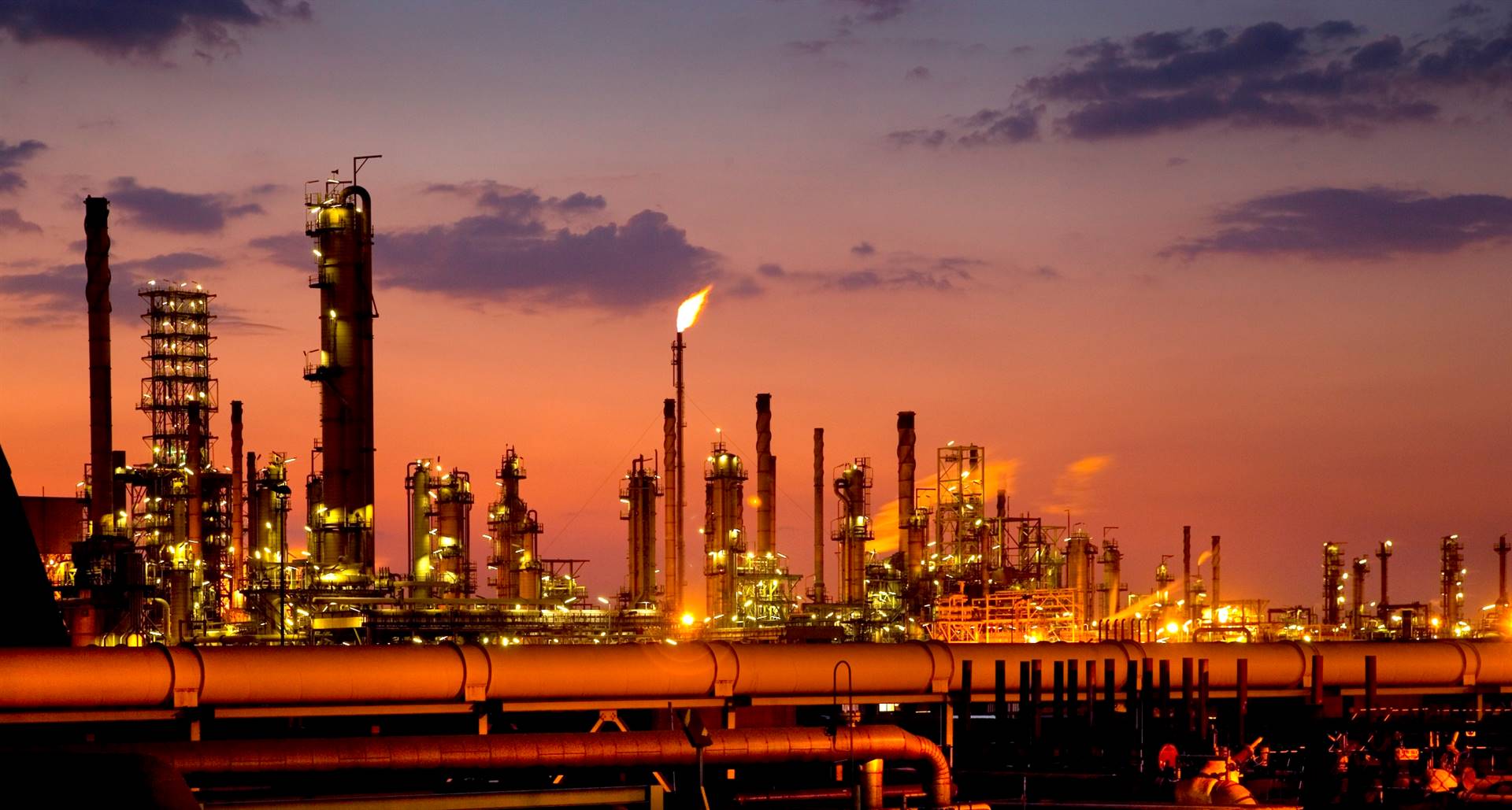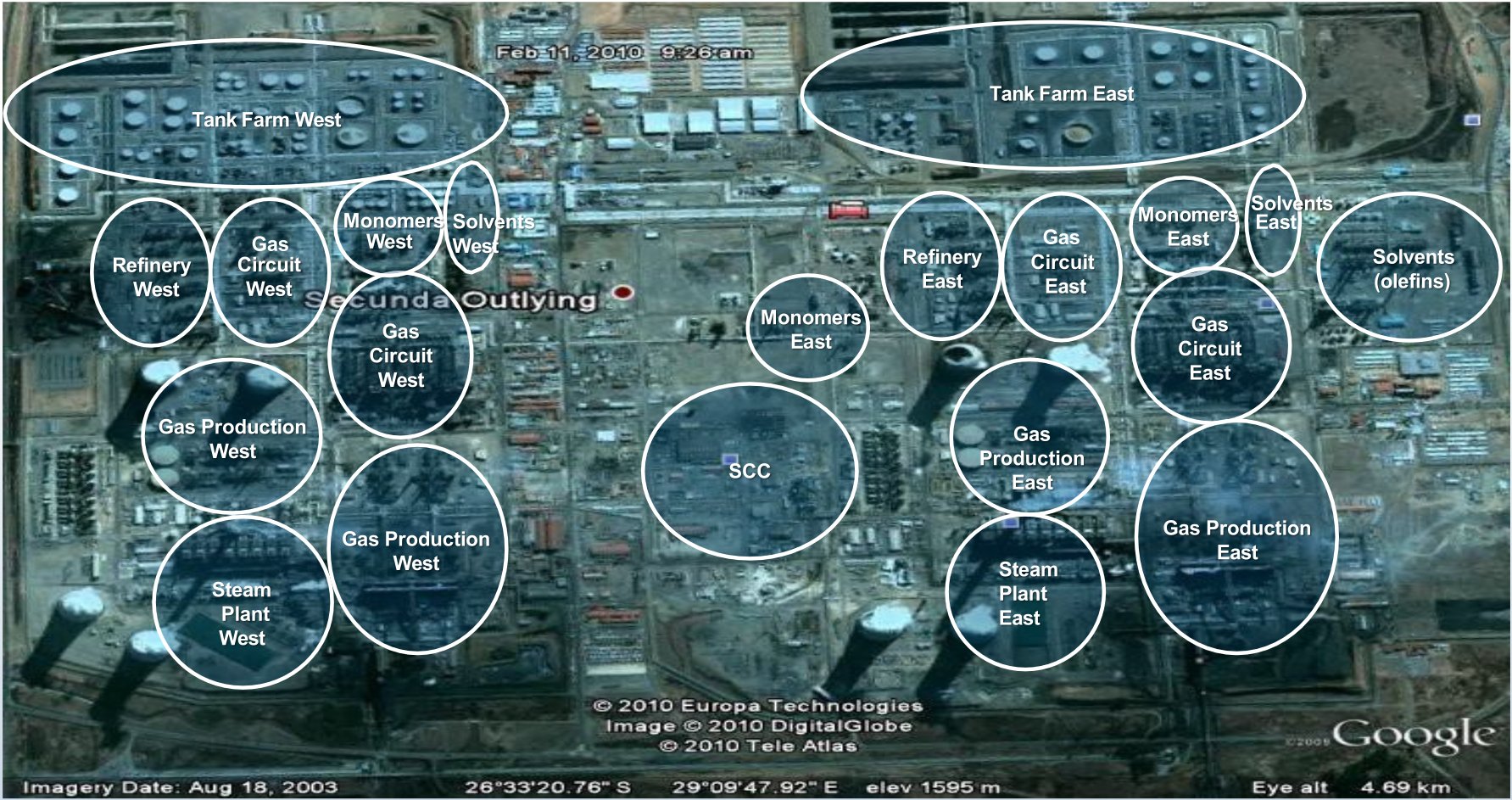
Secunda Operations – Factory layout | Credti: SASOL LIMITED INVESTOR SITE VISIT - SECUNDA SITE TOUR (2023)
Facilities and Operations
Production Facilities
Sasol Synfuels operates two coal-gasification-based Fischer-Tropsch synthesis plants in Secunda:
- Sasol II (Unit 010): Commissioned March 1, 1980
- Sasol III (Unit 210): Commissioned May 10, 1982
These are mirror-image plants built adjacent to each other on the same industrial site at Secunda. The two units were designed as virtually identical replicas:
- Each originally had 40 Lurgi gasifiers (now 42 each = 84 total)
- Each has its own Fischer-Tropsch synthesis reactors
- Each has parallel processing trains
- They share common infrastructure and utilities
In 1993, the "virtually identical operations of Sasol II and Sasol III were merged" to form Sasol Synthetic Fuels (later Sasol Synfuels (Pty) Ltd).
Physical Layout
The Secunda site covers approximately 850m x 1200m and includes:
- Both Sasol II and Sasol III production units side-by-side
- Shared coal receiving and preparation facilities
- Integrated utilities (steam, power, oxygen plants)
- Common product workup and fractionation areas
- The famous Sasol III Steam Plant with its 301-meter chimney (Africa's second-tallest free-standing structure)
Coal Gasification Technology
Historical (Original Installation):
- 80 Lurgi Mark IV fixed bed dry bottom (FBDB) gasifiers were installed originally
- 40 gasifiers at Sasol II (Unit 010)
- 40 gasifiers at Sasol III (Unit 210)
Current (as of 2025):
- 84 Sasol® fixed bed dry bottom gasifiers are installed at Secunda
- 42 gasifiers at Sasol II (Unit 010)
- 42 gasifiers at Sasol III (Unit 210)
- Capacity: Each gasifier converts thermal coal into synthesis gas (syngas) using oxygen and steam at 1,300°C
- Feedstock Processing: ~33-40 million tons of coal annually supplied by Sasol Mining
The additional 4 gasifiers were added through the "Additional Mark IV Fixed Bed Gasifier Project" which was initiated because "the 80 original fixed bed gasifiers could no longer reach the required baseline demand for raw gas production" (Sasol Youtube video).
Current Operational Reality (2025)
According to Sasol's 2025 Capital Markets Day, gasifier availability has dropped significantly:
- Historical operation: 75-80 gasifiers online at any given time
- Current (past 4 years): Only 65-70 gasifiers operational, representing a significant production capacity drop
- Target restoration: Sasol is working to restore gasifier availability to achieve >7.4 million tons per year production with 75 operational gasifiers
Natural Gas Reforming Capacity
- 18 Autothermal reformers (ATRs) converting natural gas into syngas to supplement syngas from coal operations
- Natural gas represents approximately 10% of total feedstock to Secunda operations
Synthesis Technology
- Reactors: Nine Sasol Advanced Synthol (SAS) reactors configured with high-temperature Fischer-Tropsch (HTFT) synthesis
- Catalyst: Fused iron-based catalyst
- Process Conditions: Elevated pressure (~350 psi) and temperature (~350°C)
- Output: Hydrocarbons, reaction water, and oxygenated hydrocarbons
Production Capacity and Output
- Total Capacity: Approximately 150,000-160,000 barrels per day (bpd)
- Annual Production: 7.5-7.7 million tonnes per annum (mt/a)
- Production Split: Approximately 60% energy products; 40% chemical feedstocks
- Fuel Composition: Approximately 65% petrol; 35% diesel
Feedstock Supply
Coal Supply
- Source: Sasol Mining operates six coal mines
- Secunda-area mines: Bosjesspruit, Brandspruit, Middelbult, Syferfontein, Twistdraai
- Additional suppliers: External coal purchases supplement internal production
- Quality Management: Coal quality monitoring is critical for optimum production and operational stability
- Storage: Strategic coal stockpiling maintained above 1.5 million tons
Natural Gas Supply
- Secondary Feedstock: ~10% of syngas production supplemented by natural gas
- Sourcing: Imported from Mozambique via 865 km ROMPCO pipeline
Production Process
Step 1: Coal Gasification
Thermal coal is gasified in Lurgi Fixed Bed reactors at 1,300°C with oxygen and steam to produce raw syngas containing:
- Carbon monoxide and hydrogen (primary components)
- Nitrogen, carbon dioxide, and hydrocarbons
- Impurities (tar, oils, ammonia, sulfur compounds)
Step 2: Syngas Conditioning
- Cooling and purification to remove condensates and recover co-products
- Recovery of tars, oils, pitches, ammonia, sulfur, and phenols
- Cryogenic separation and cleaning processes
Step 3: Fischer-Tropsch Synthesis
- Purified syngas reacted in SAS reactors to produce hydrocarbons via the iron-based catalyst and high-temperature synthesis
Step 4: Product Fractionation
- Cooling to liquify hydrocarbon products
- Fractionation to separate various product streams by molecular weight
- Recovery of methane-rich gas for process recycle and external sale as pipeline gas
- All fractions further processed and marketed
Products
Primary Products (Energy - 60%)
- Synthetic petrol (gasoline)
- Synthetic diesel
- Jet fuel components
- Industrial heating fuels
- Pipeline methane-rich gas (MRG)
Secondary Products (Chemicals - 40%)
- Chemical feedstock for downstream operations
- Tar and tar-derived products
- Oils and pitches
- Ammonia
- Sulfur
- Phenols
- Various co-products from the syngas conditioning and fractionation process
Energy Integration
Power Generation
- Capacity: 600 MW from coal (via steam generation); 200 MW from natural gas
- Self-Sufficiency: Generates approximately 50% of its own electricity requirements
- Feedstock: Combines coal gasification-derived process heat with dedicated coal-fired and natural gas-fired power plants
Utilities Provision
Secunda Synfuels Operations supplies steam, electricity, and processing utilities to co-located Secunda Chemicals Operations, creating an integrated energy-chemicals complex.