From Ruwais to the Rockies: Borouge International Redraws the Global Polyolefins Map

Strategic Insight | ppPLUS Intelligence Series • Petrochemical & Chemical Industry | April 2026
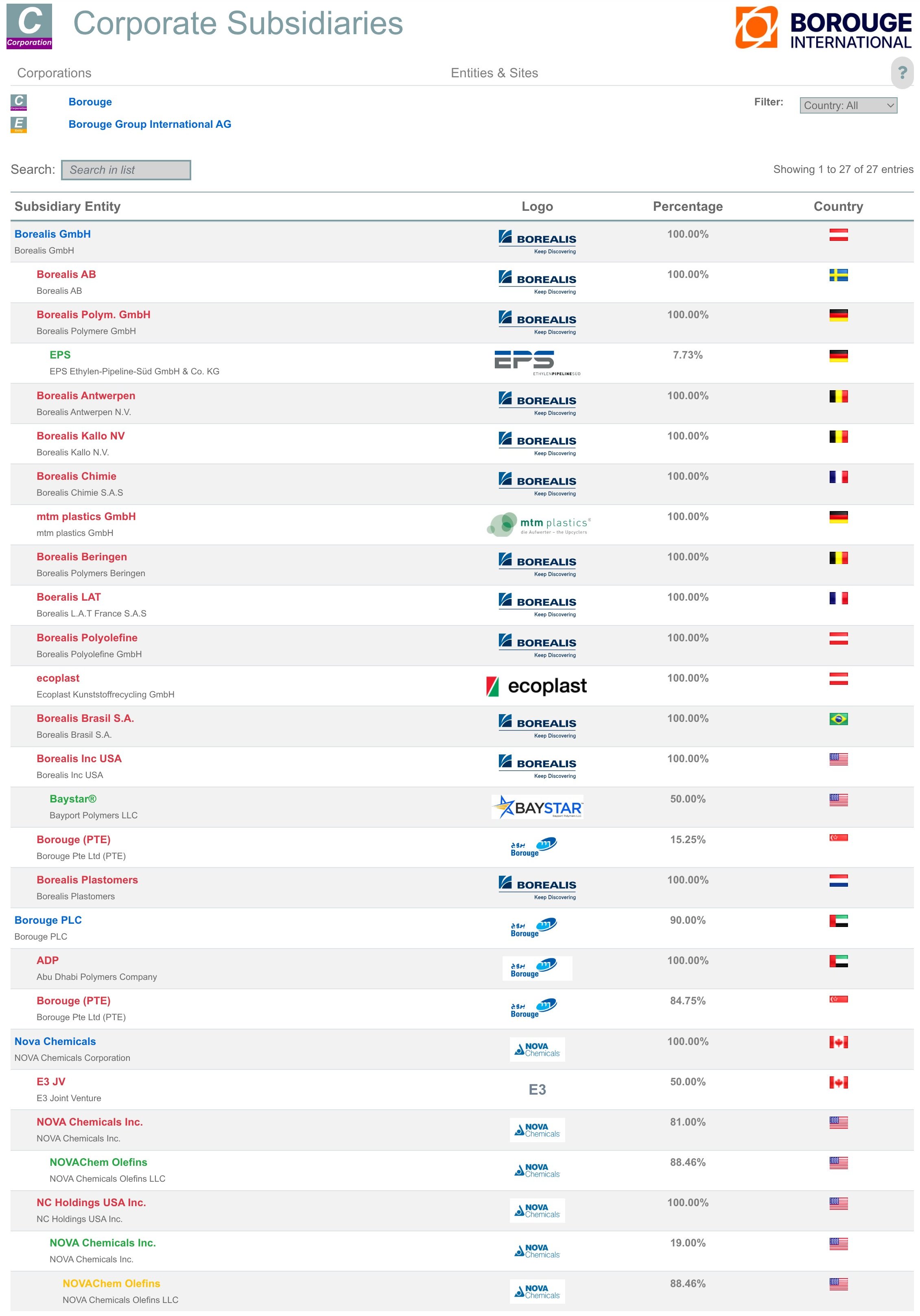
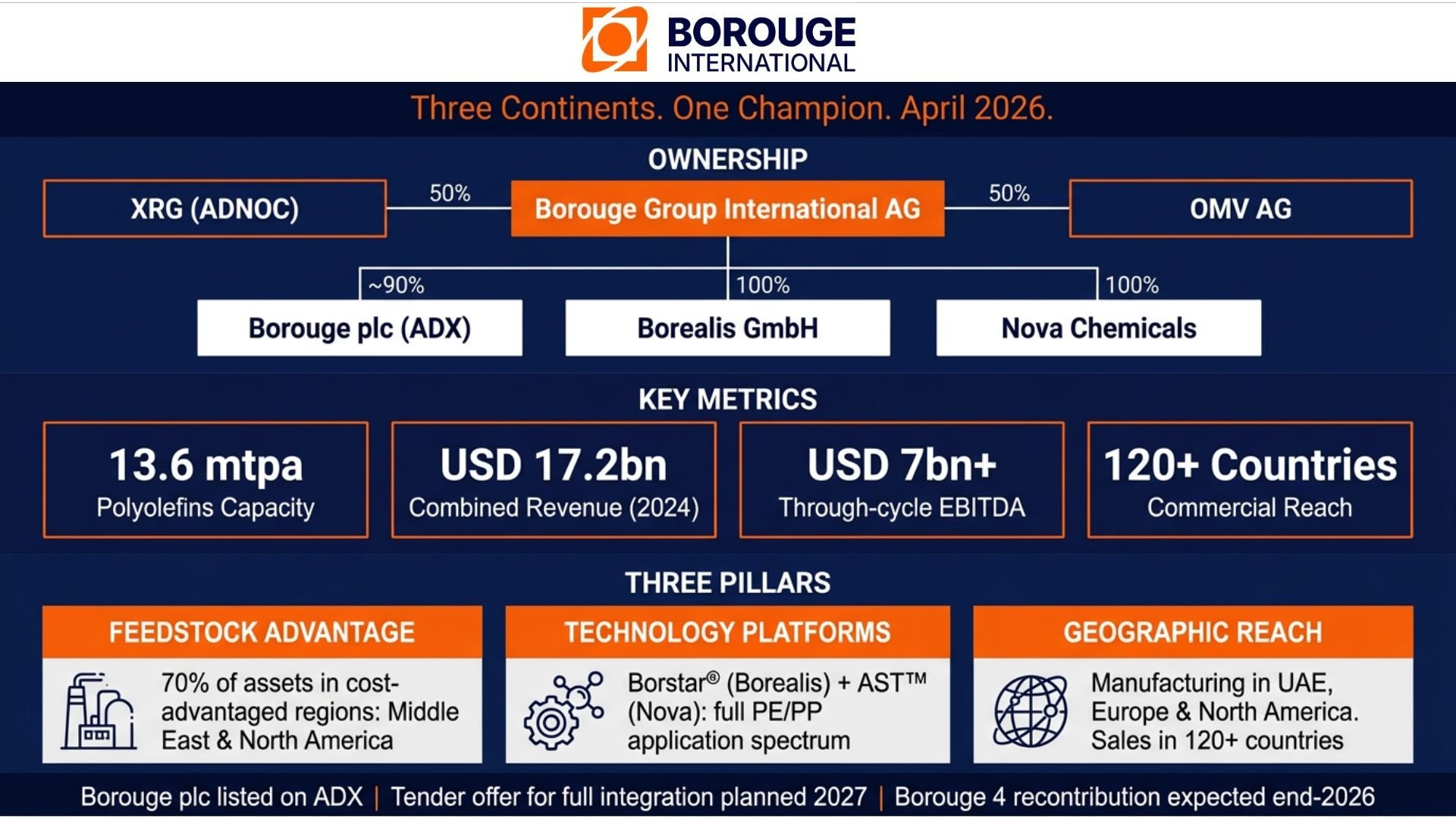
Corporate structure of the newly formed Borouge Group International GmbH as recorded on ppPLUS
From Regional Champions to Global Scale
Each of the three constituent entities brought a distinct but incomplete strategic profile. Borouge plc offered world-class feedstock cost advantage via ADNOC's Ruwais ethane supply, but was largely Middle East and Asia-focused. Borealis contributed technology leadership — its proprietary Borstar® polyolefin platform underpins some of the most advanced polyethylene (PE) and polypropylene (PP) grades globally — alongside a deep European industrial and customer footprint. Nova Chemicals added North American polyethylene scale, plugging the one geographic gap that had long limited both Borouge and Borealis from being considered a true global tier-1 player. Together, the combined entity commands 13.6 mtpa of capacity across three continents and revenues of USD 17.2 billion — credentials that place it firmly alongside LyondellBasell, Dow, and SABIC in the industry's top tier.
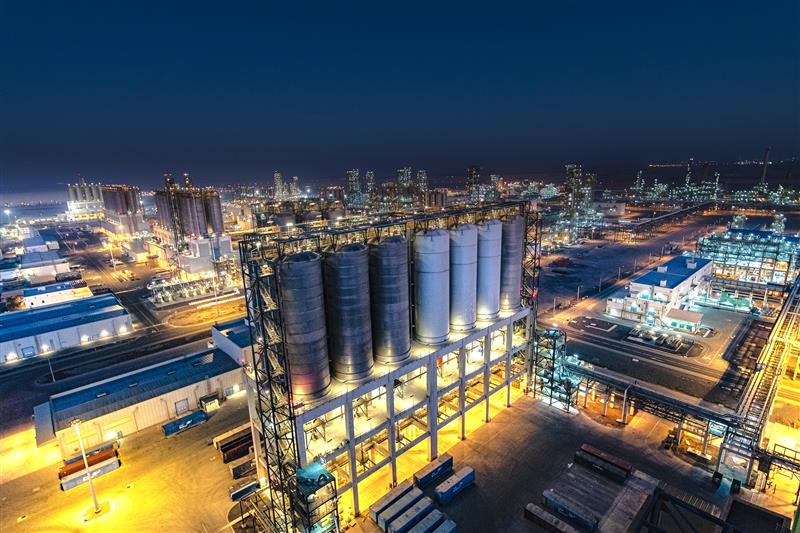
Borouge facility | Source: Borouge website
The Cost Competitiveness Argument
Critically, this is not merely a scale play — it is a cost structure transformation. Approximately 70% of production assets in the combined group are located in first-quartile, feedstock-advantaged regions: ~50% in the Middle East (Ruwais) and ~20% in North America (Nova's Alberta and Ontario assets, which benefit from cheap NGLs). This is a structural competitive advantage at a time when European crackers are under severe pressure from high energy costs and overcapacity in China. Once Borouge 4 is fully integrated into BGI by end-2026, the Middle East share of capacity will rise to approximately 47% of the group total.
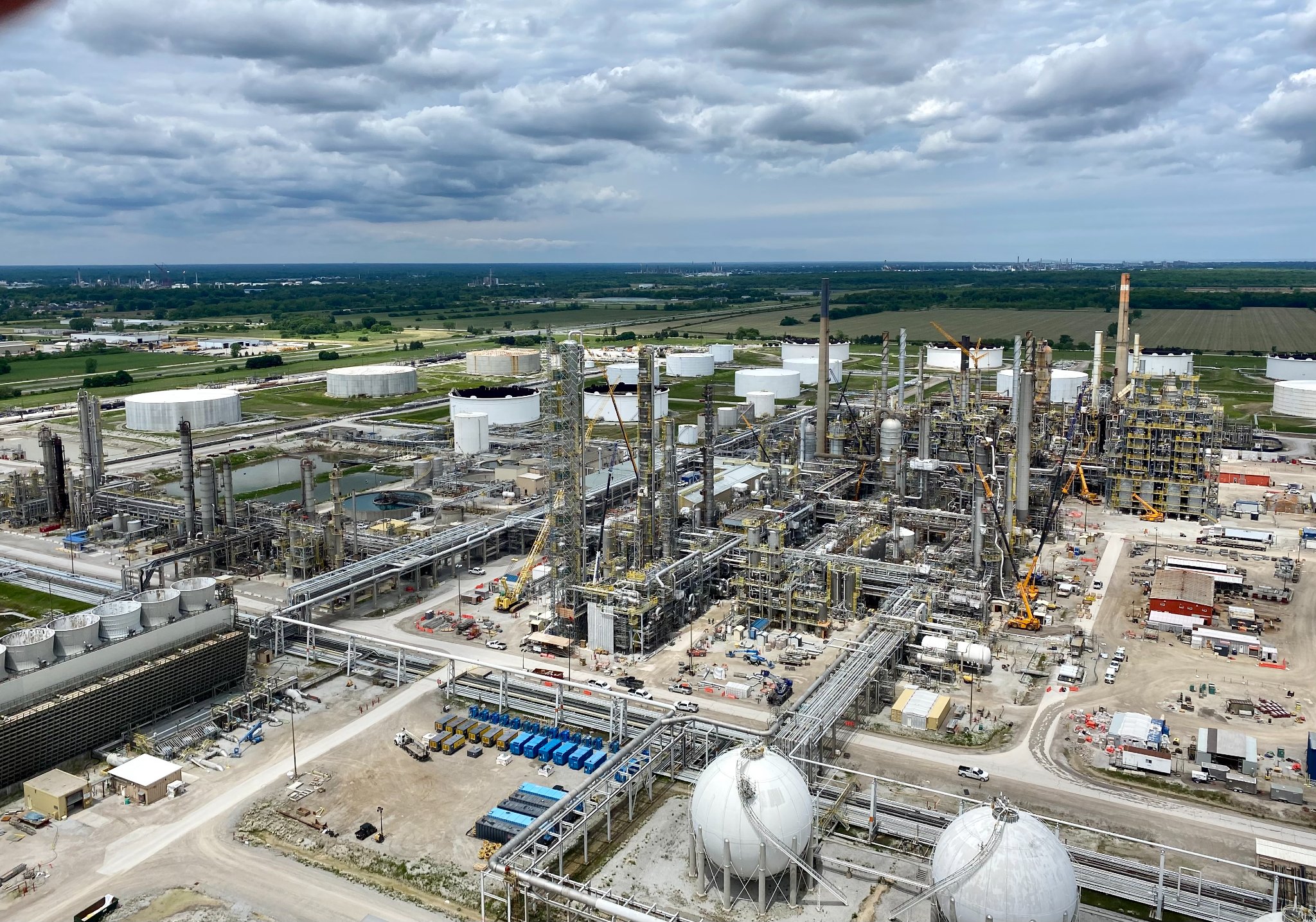
Nova Corunna (St-Clair) during turnaround in 2022
Technology as a Differentiator
Borouge International inherits what is arguably the most sophisticated proprietary polyolefin technology portfolio of any pure-play producer in the world. At its core sit two complementary and independently developed process platforms: Borealis' Borstar® — a gas-phase/slurry loop bimodal process covering both PE and PP, dominant in pipe, geomembrane, wire & cable, and infrastructure applications — and Nova's Advanced SCLAIRTECH™ (AST), a dual-reactor solution polymerization process that excels in high-performance film, flexible packaging, and specialty LLDPE grades. Complementing the process platforms, Nova's proprietary in-house catalyst program (including metallocene and post-metallocene systems) and its newly commercialized SYNDIGO™ recycled PE technology extend the group's reach into circular economy solutions. Together, these platforms cover virtually the entire polyethylene application spectrum, positioning Borouge International not merely as a commodity polymer producer, but as a specialty and advanced materials platform serving high-value segments including power cable insulation (XLPE), healthcare, energy infrastructure, sustainable packaging, and circular plastics.
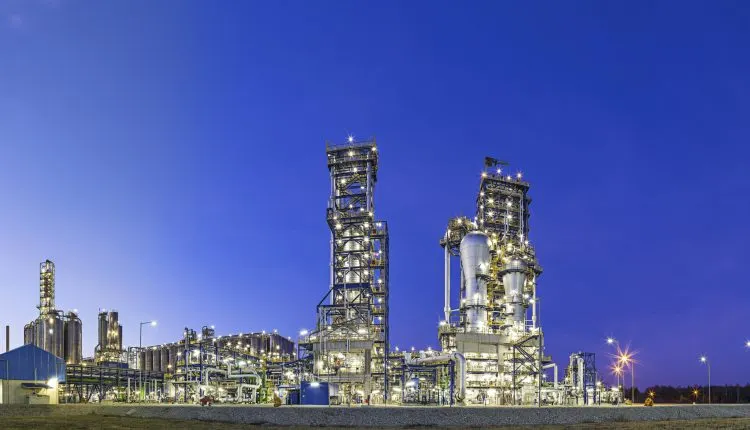
Borstar plant at Borealis Burghausen facility in Germany | Source: Borealis web site
The ADNOC–OMV Governance Balance
The 50/50 XRG–OMV ownership structure at BGI level is notable for its strategic symmetry: ADNOC/XRG brings feedstock security, sovereign balance-sheet support, and growth capital; OMV brings European market access, technology stewardship, and ESG credibility in a regulatory environment increasingly demanding circular economy credentials. The €1.6 billion cash equalization payment by OMV to achieve parity signals genuine long-term commitment rather than opportunistic positioning. That said, governance under a 50/50 structure historically introduces decision-making friction, and how BGI manages strategic divergences between its two principals — particularly on capital allocation between Middle East expansion versus European reinvestment — will be a key watch point.
Circular Economy & Energy Transition
Borouge International has declared a leadership position in circular solutions as a core strategic pillar, building on Borealis' established EverMinds™ circular economy program and Borouge's sustainability initiatives in the UAE. With regulatory pressure mounting across the EU (Extended Producer Responsibility, Single-Use Plastics Directive) and the Gulf (UAE Net Zero 2050), the group's scale gives it both the R&D budget and the production flexibility to develop recyclable, bio-based, and low-carbon polyolefin grades at commercial volumes — a capability smaller competitors simply cannot match.
Key Risks to Watch
-
Integration complexity: Three corporate cultures (Emirati, Austrian, Canadian), three legal systems, and three operational models must be unified without disrupting customer relationships or operational continuity
-
Borouge 4 recontribution: The planned recontribution of Borouge 4 into BGI by end-2026 must be executed cleanly, as the asset carries an estimated USD 7.5 billion price tag and will significantly reshape BGI's balance sheet
-
Tender offer execution (2027): Converting Borouge plc ADX free-float shareholders into BGI shares requires careful management of price discovery and investor acceptance in the UAE capital market
-
China competition: The structural overcapacity in Chinese polyolefins — with Chinese producers expanding aggressively on coal-to-olefins pathways — continues to compress global commodity margins, testing even feedstock-advantaged producers
This insight draws on the following sources: Borouge Group International Transaction Investor Presentation (March 2025); ADNOC and OMV press releases on the formation and completion of Borouge Group International AG (March–April 2026); Borealis Standalone Annual Report 2025; Borealis GmbH Investor Presentation 2025; Borouge 4 Re-contribution Overview (March 2025); S&P Global Ratings analysis of Borealis AG (March 2025); OMV and XRG transaction completion announcements (March 31, 2026); Borouge Investor Relations disclosures (ADX); and media coverage from ADNOC, Borealis, Zawya, Gulf News, and The National (2025–2026).
#adnoc #omv #borouge #borougeinternational #borealis #novachemicals #polyolefins #borstar #sclairtech