Regional Conflict Validates Aramco Strategic Bet to Consolidate Control of Petro Rabigh

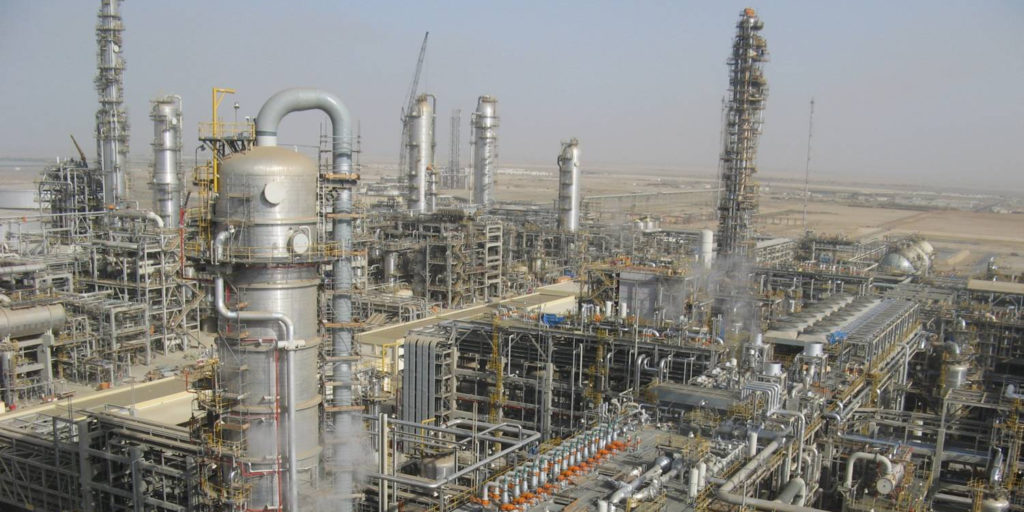
Photo: Petro Rabigh expansion project | Source: METenders.com
Market Insights | ppPLUS Intelligence Series • Finance & Capital Markets | May 2026
A Rescue, Restructuring, and Strategic Repositioning
The shareholding change was accompanied by a comprehensive financial restructuring package. Both Aramco and Sumitomo each injected USD 702 million into Petro Rabigh via a new Class B share issuance, structured to avoid diluting existing public shareholders, and each waived USD 750 million in outstanding shareholder loans — executed in two tranches in August 2024 and January 2025. The combined rescue package totalled approximately USD 2.9 billion across both shareholders.
Petro Rabigh had been chronically loss-making since 2022, with accumulated losses reaching SAR 9.19 billion — equivalent to 41.8% of share capital — by end-2025. The restructuring was designed to stabilise the balance sheet, reduce the interest burden, and fund a turnaround program aligned with Aramco's broader liquids-to-chemicals (L2C) strategy.
For Sumitomo Chemical, the divestment came at a cost. The Japanese company booked a pre-tax loss of approximately 27 billion yen (USD 183 million) on the stake reduction, reflecting the discount to book value at which the transaction was executed.
Red Sea Location Proves a Strategic Shield
The subsequent regional conflict — centred on the 12-day Israel-Iran war in June 2025 and its aftermath, including energy infrastructure strikes across the Gulf — has since validated Aramco's decision to deepen its position in a Red Sea-located asset.
While Gulf-based refineries faced significant disruption — most notably the temporary shutdown of Ras Tanura in March 2026 following drone strikes — Petro Rabigh's location on the Red Sea coast, 160 km south of Yanbu, placed it entirely outside the theatre of disruption. In April 2026, Petro Rabigh's CEO confirmed publicly that operations had not been affected by the regional conflict.
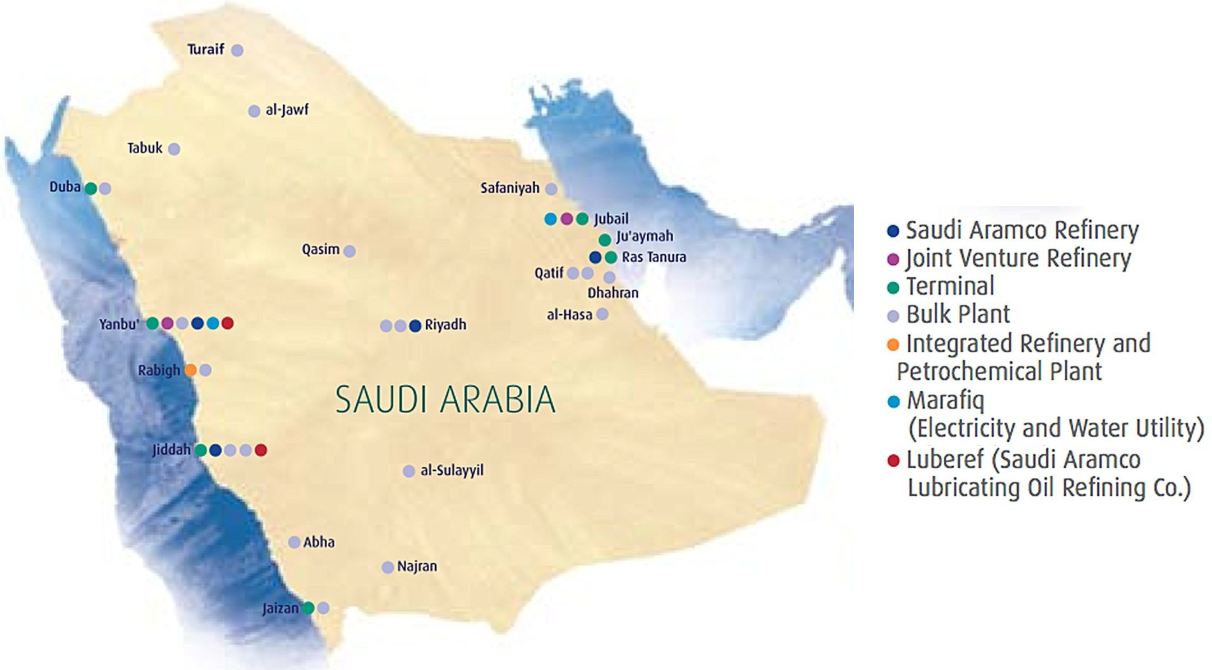
Aramco refinery operations in Saudi Arabia | Source: Pinterest (matthieuthery.com)
The conflict-driven tightening of global refined product and petrochemical supply provided a direct tailwind to margins. In Q1 2026, Petro Rabigh recorded its first net quarterly profit since Q2 2022 — a significant milestone in the company's turnaround, driven by improved product margins against a backdrop of constrained Gulf refining capacity.
Full-year 2025 results reflected a more mixed picture: while net losses narrowed significantly year-on-year as restructuring measures took effect, revenues declined 9.5% due to Red Sea shipping disruptions in the first half of 2025 that increased freight and logistics costs.
Updated Shareholding Structure
| Shareholder | Stake (pre-July 2024) | Stake (current) |
|---|---|---|
| Saudi Arabian Oil Company (Saudi Aramco) | 37.50% | 60.00% |
| Sumitomo Chemical Company, Limited | 37.50% | 15.00% |
| Tadawul / Public Float | 25.00% | 25.00% |
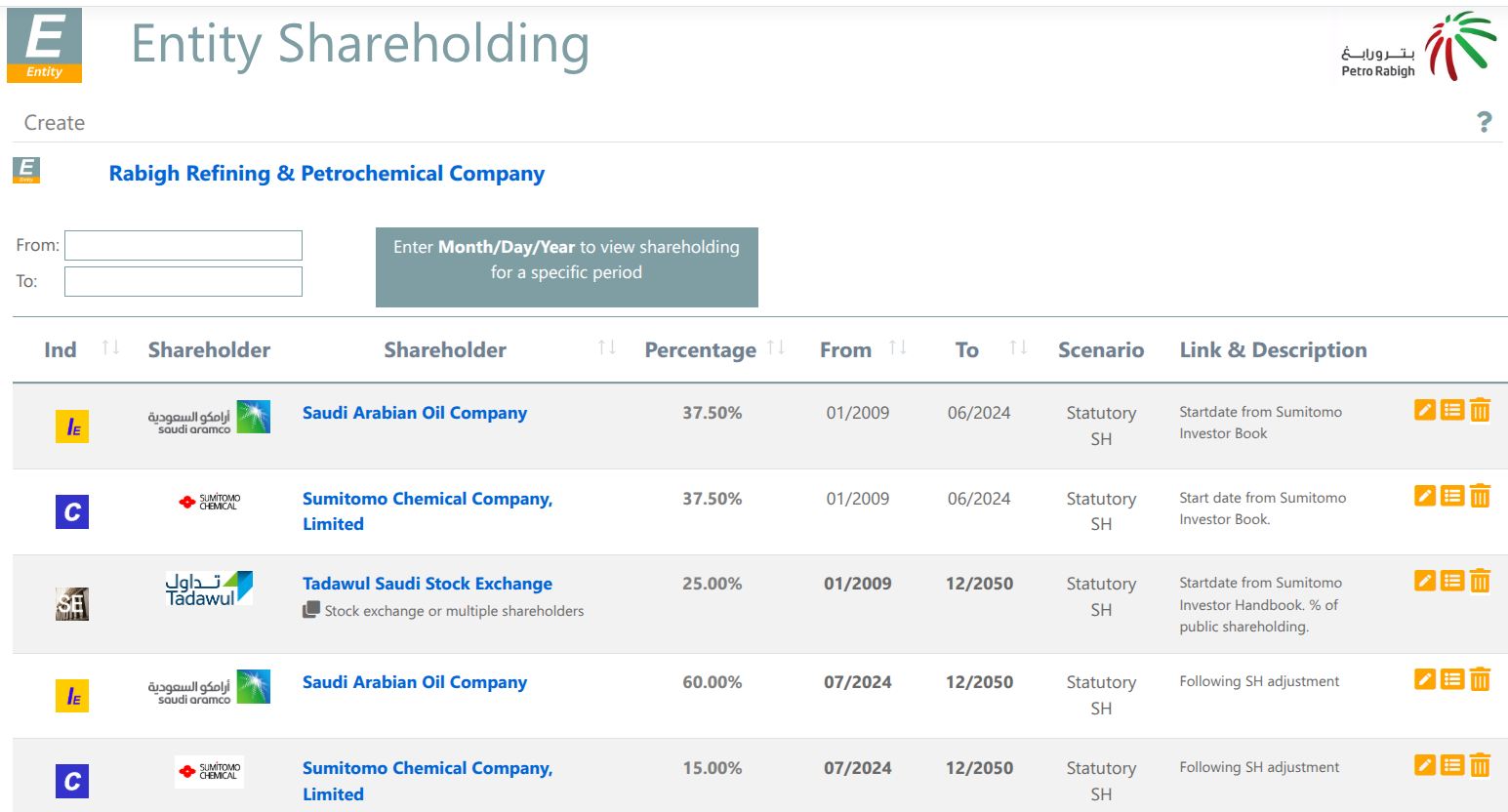
Petro Rabigh shareholding structure as available on ppPLUS tracks shareholding changes over time
Outlook
With the balance sheet restructured, majority control secured, and the competitive landscape shifted by the regional conflict, Aramco enters the next phase of the Petro Rabigh story in a materially stronger position. The company's turnaround program is ongoing, and analysts will be watching whether the Q1 2026 profit can be sustained as the Middle East gradually moves toward a post-conflict equilibrium — or whether further volatility continues to benefit Red Sea-located assets at the expense of Gulf-exposed peers.
Sources: Saudi Aramco, MEES, ICIS, Arab News, Zawya, Asharq Al-Awsat, The Chemical Engineer.