
Entity

-

-
Saudi Arabian Oil Company
-

-

- Integrated Energy
-
/ Dhahran
- Eastern Province
- 31311
-

- #EN9
Description
Insights from our Experts

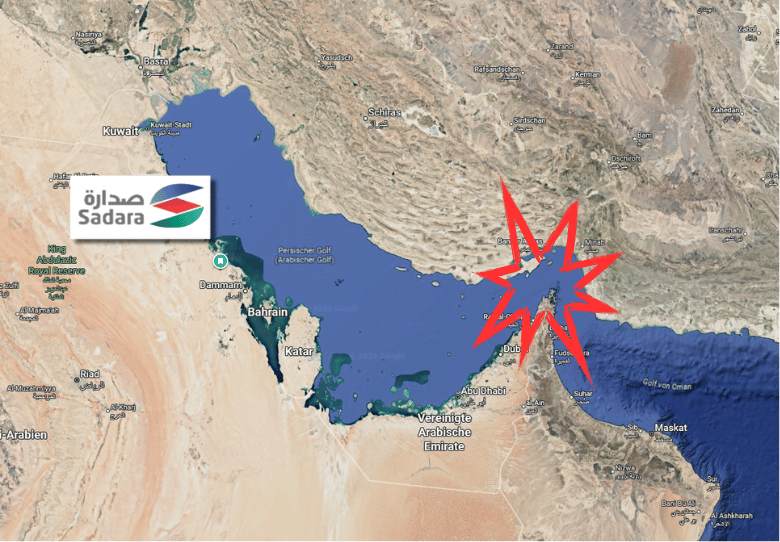
Since the US/Israel war with Iran the spotlight is on the impact of the closure of the Strait of Hormuz (SoH) on the crude production and supply of the Gulf countries. Riyadh and Abu Dhabi are developing plans for the extension of new infrastructure i.e. pipelines to bypass the SoH. Where Saudi and UAE have at least in the longterm geographical options. Other...


Introduction: The Unasked Question of Petrochemicals
Contemporary debates about sustainability tend to focus on climate change, energy transitions, plastic pollution, and resource consumption. Governments publish...
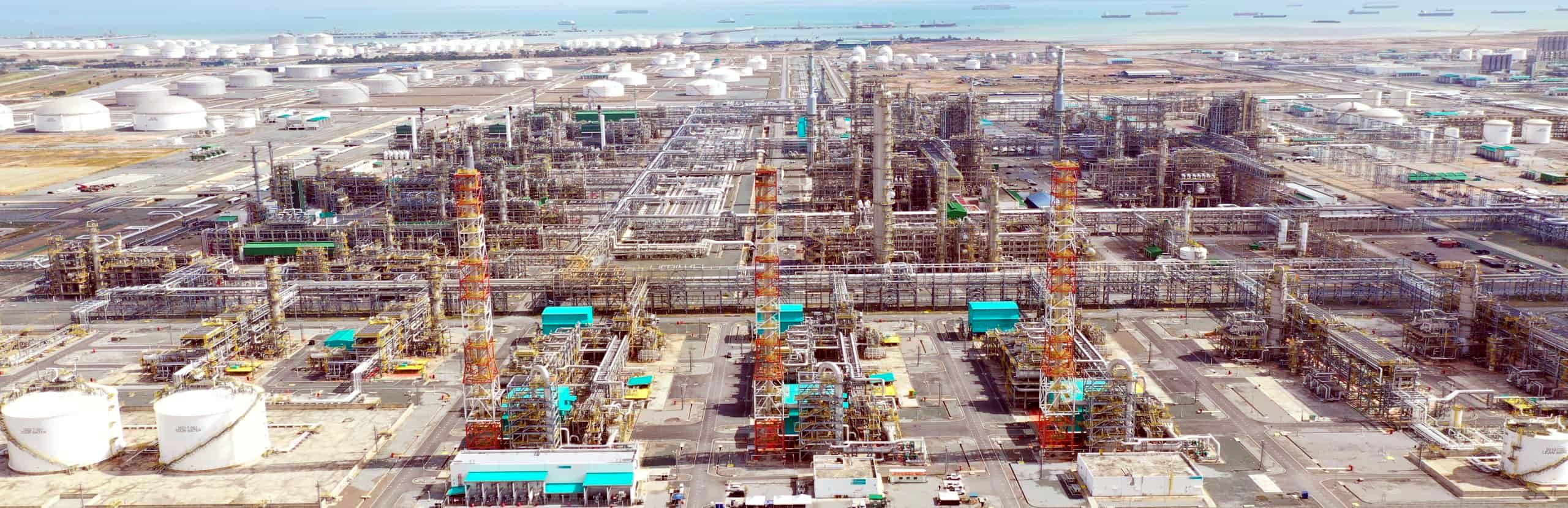

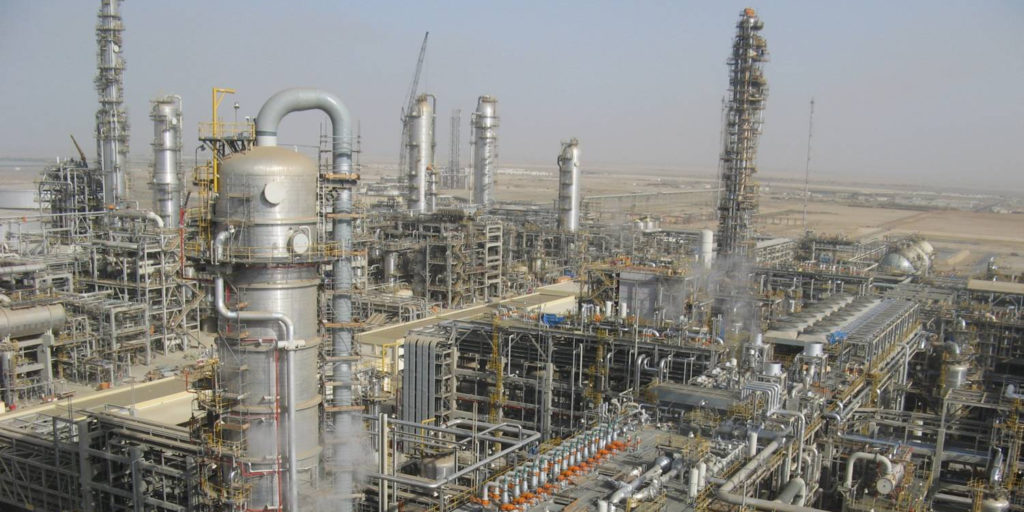
Photo: Petro Rabigh expansion project | Source: METenders.com
Market Insights | ppPLUS Intelligence Series • Finance & Capital Markets | May 2026
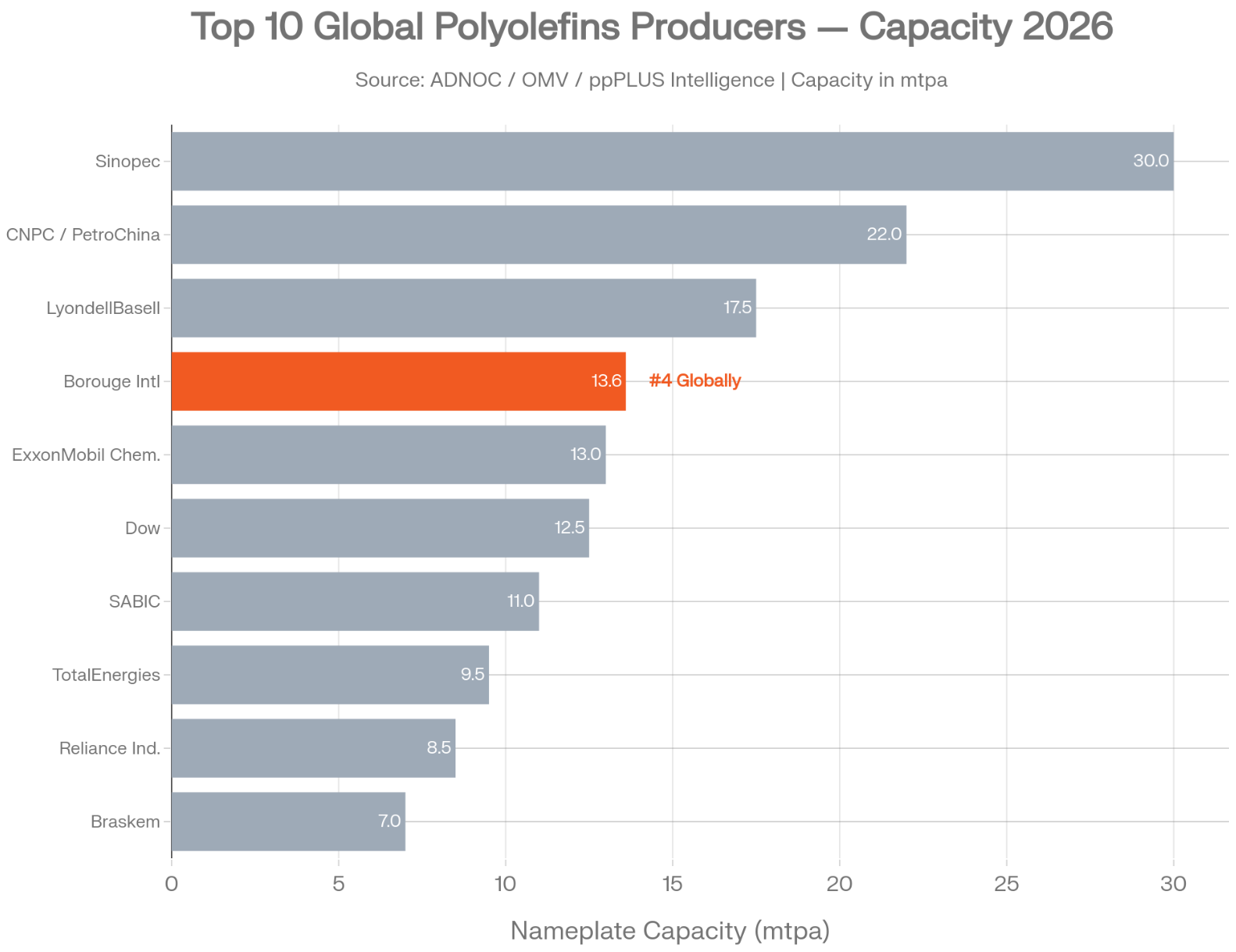
Market Insight | ppPLUS Intelligence Series • Polyolefins & Advanced Materials | April 2026
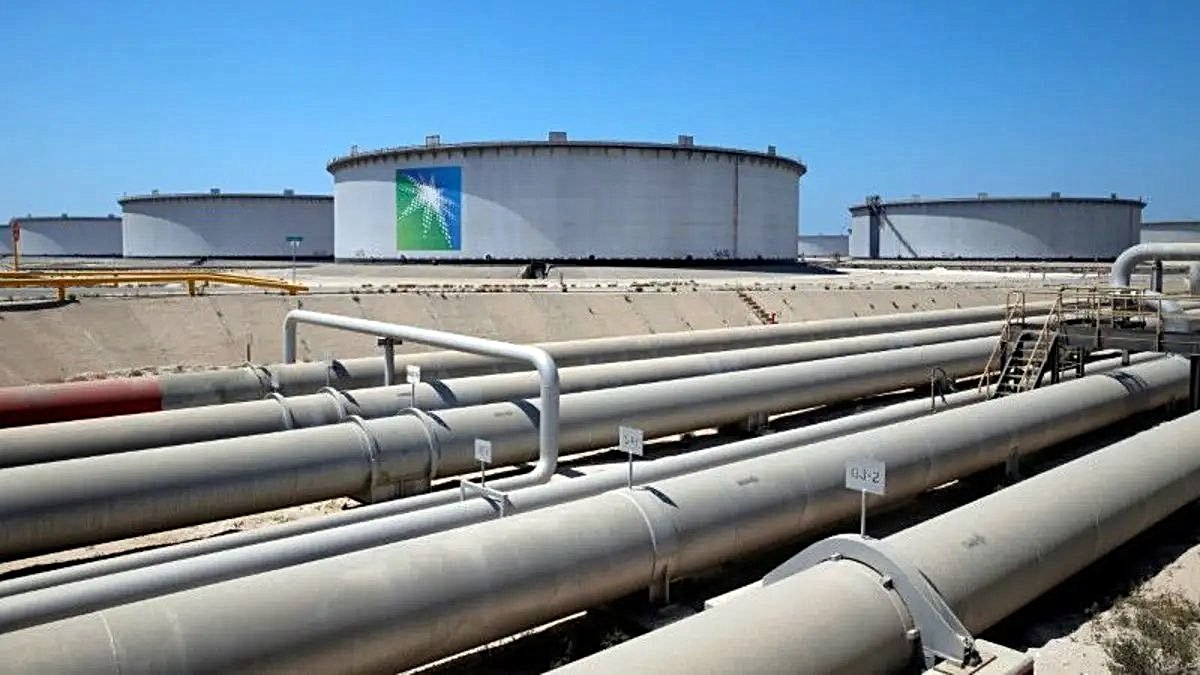
Saudi Arabia's Petroline Pipeline Reaches Full 7 Million Barrel Capacity, Securing Red Sea Export Route | Source: moenergy.gov.sa (April 12, 2026)

An oil tanker burns after being hit by an Iranian strike in the ship-to-ship transfer zone at Khor al-Zubair port near Basra, Iraq, late Wednesday, March 11, 2026. (AP Photo)
Entity Communicator (including Site Messages)





Sites Quick Access
| Site | Location | Country |
|---|---|---|
| Jazan | Jazan |
|
| Juaymah NGL | Juaymah |
|
| RTR | Ras Tanura |
|
| Riyadh | Riyadh |
|
| Virtual Crude Site | Dhahran |
|
| Feed Supply Yanbu | Yanbu |
|
| Yanbu | Yanbu |
|
Entity Settings
- Category
- Main Holding Company or Operations
- Status
- A
- V
- P
- Lg
- Sh
- UoM
- Tons
- Currency
- USD
Content provided by
| Transaction | Name | Date |
|---|---|---|
| Modified by |
|
3/12/2026 9:04 AM |
| Added by |
|
11/30/2020 12:00 AM |