News Communiqué — Valero Port Arthur Refinery


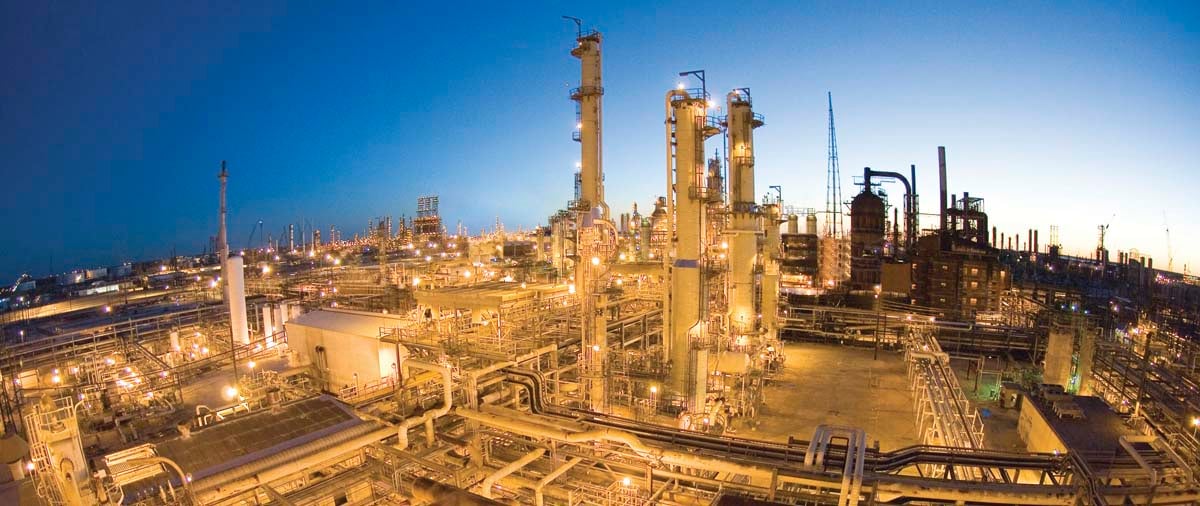
Valero Port Arthur Refinery by night | Source: Inspection Engineering (Mar 24, 2026)
Market Insights | ppPLUS Intelligence Series • Refining & Petrochemicals | June 2026
Refinery Recovering from March 2026 Explosion — Key Units Still Offline
Phased restart began on March 25, 2026. By early April, the small CDU (AVU-147, 115,000 bpd), the Coking Unit 843, the 57,000-bpd VGO Hydrocracking Unit 943, the 50,000-bpd Continuous Catalytic Reforming Unit, and one distillate hydrotreater were brought back online. The large CDU (AVU-146, 210,000 bpd) was kept offline after post-explosion inspections revealed a damaged heater tube; restart of AVU-146 was pending completion of that repair, with throughput targeted to return to "fairly normal" levels by approximately May 1, 2026.
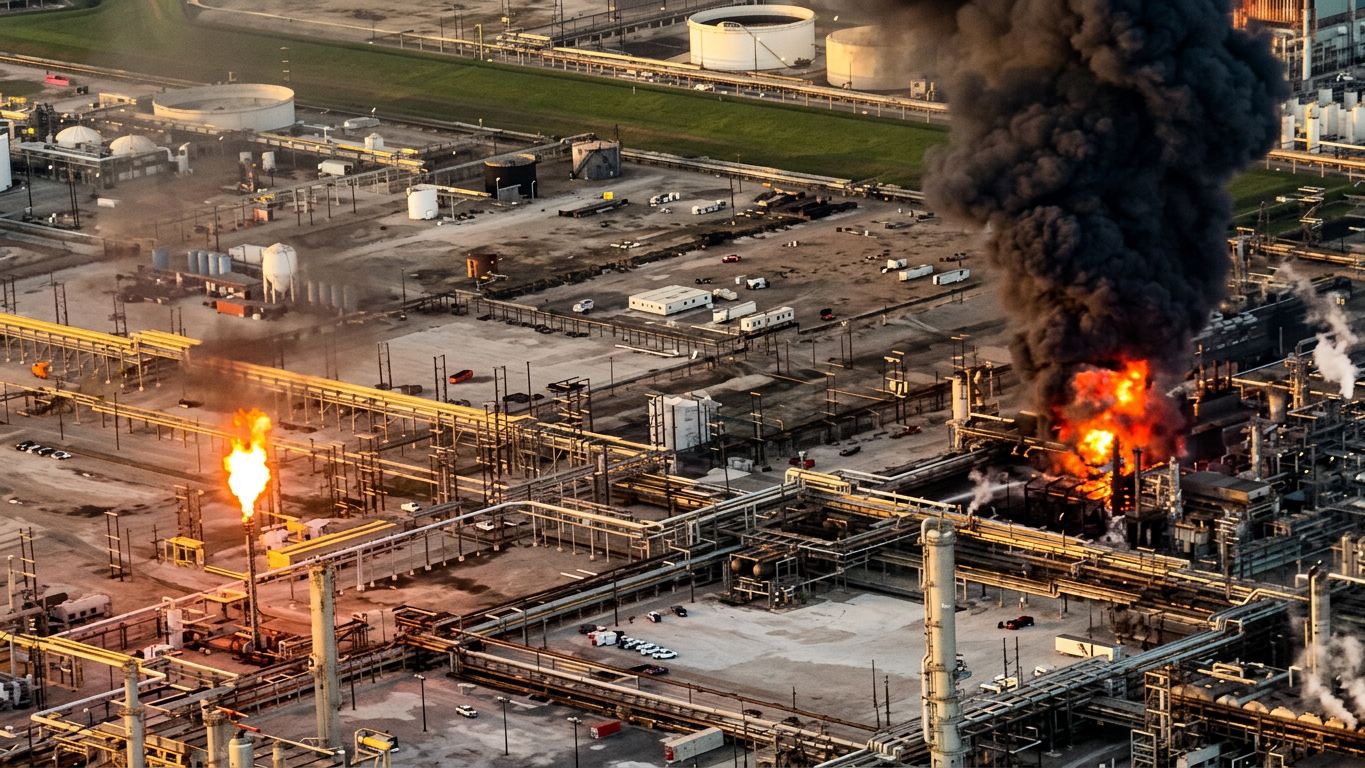
Photo: A.I. enhanced screenshot from 12NewsNow Youtube video:
'continuing coverage of explosion at Valero refinery in Port Arthur' (March 24, 2026)
Units still offline as of late April / June 2026
-
Unit 243 diesel hydrotreater (47,000 bpd): Sustained extensive damage including destruction of the control room; no rebuild timeline has been announced
-
Adjacent kerosene hydrotreater: Expected to restart by Q3 2026
-
Gulfiner gasoline hydrotreater: Restart pending completion of a temporary control room being constructed to replace the destroyed one
Financial Impact
Valero COO Gary Simmons acknowledged at the April 30 Q1 2026 earnings call that the outage will negatively impact margin capture rates and average throughput for Q2 2026. The company indicated that the incident may lead to higher capital expenditures in 2026, with cost estimates and repair timelines to be updated as the rebuild scope is defined.
Context
The explosion occurred against the backdrop of elevated refining margins driven by Middle East supply tensions and ongoing geopolitical uncertainty, amplifying the market impact of the outage on U.S. diesel and jet fuel supply. The Port Arthur refinery accounts for approximately 2% of U.S. Gulf Coast crude refining capacity, making its partial outage a notable supply-side event for the regional fuel market.
Refinery Configuration
The asset inventory below reflects the current ppPLUS model of the Valero Port Arthur refinery, compiled from public sources and structured unit by unit. It covers the main processing trains — from crude distillation and conversion units to treating, reforming, and ancillary assets — along with available capacity data and technology/licensor information.
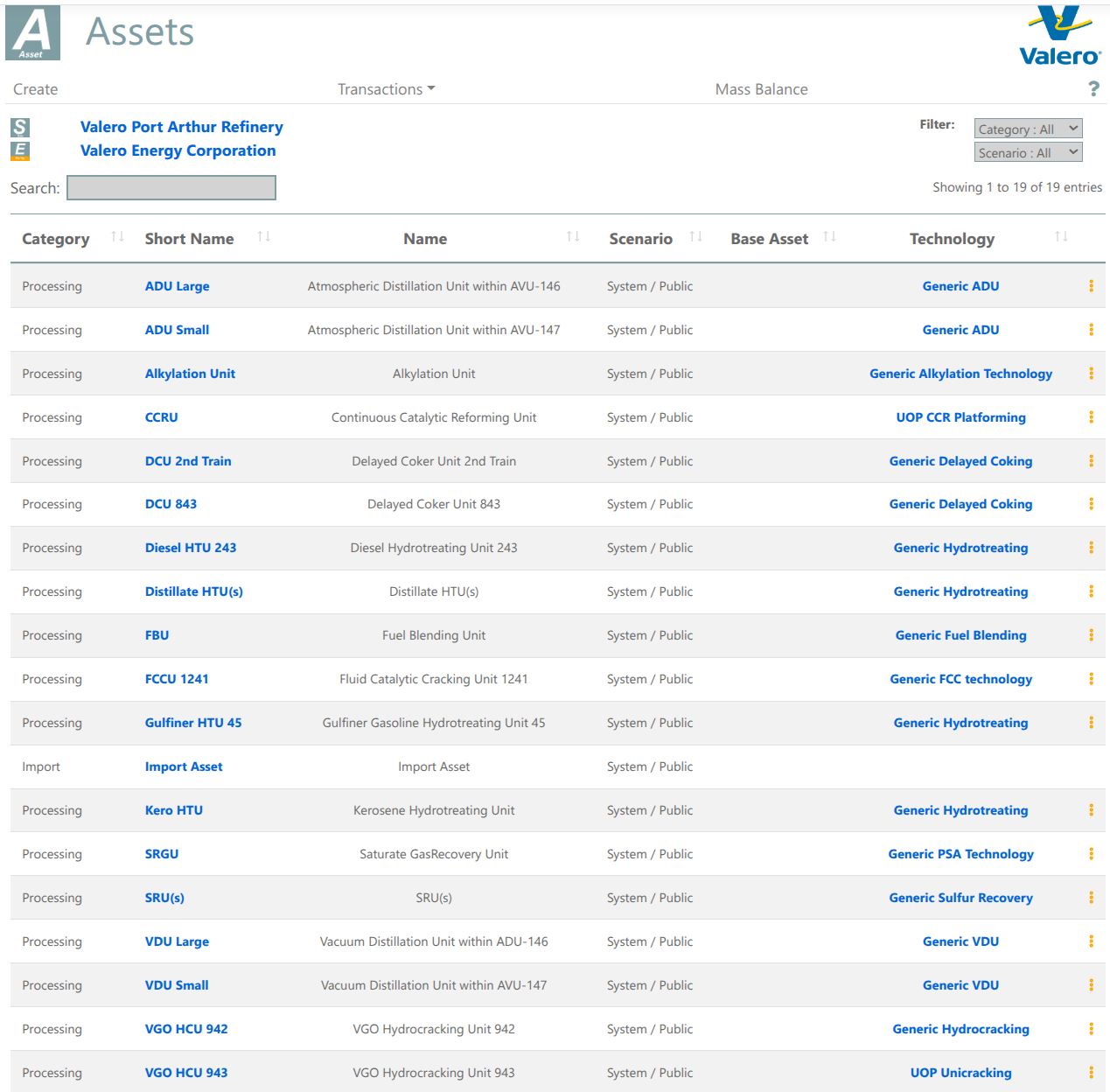
Valero Port Arthur Refinery assets as recorded on ppPLUS
ppPLUS models refining and chemicals facilities, asset by asset. Our collective intelligence approach means that this configuration is a living document: it improves continuously as industry professionals contribute their knowledge and expertise.
You are warmly invited to:
- Review and fine-tune the facility configuration and individual unit descriptions
- Update or complete asset capacities, technology designations, and licensor details
- Develop the complete facility mass balance, linking crude input, intermediate streams, and final product yields across all processing units
#valero #portarthurrefinery #refineryexplosion