

Main-Product
Product Models
Insights
Solutions
- Product
- Diesel Oil / Gas Oil
- Segment
- Refined Products
- Main-Family
- Refinery Liquids
- Sub-Family
- Middle Distll. & Proc. Hydroc.
- Link
-

- #PS128
Description
Insights from our Experts

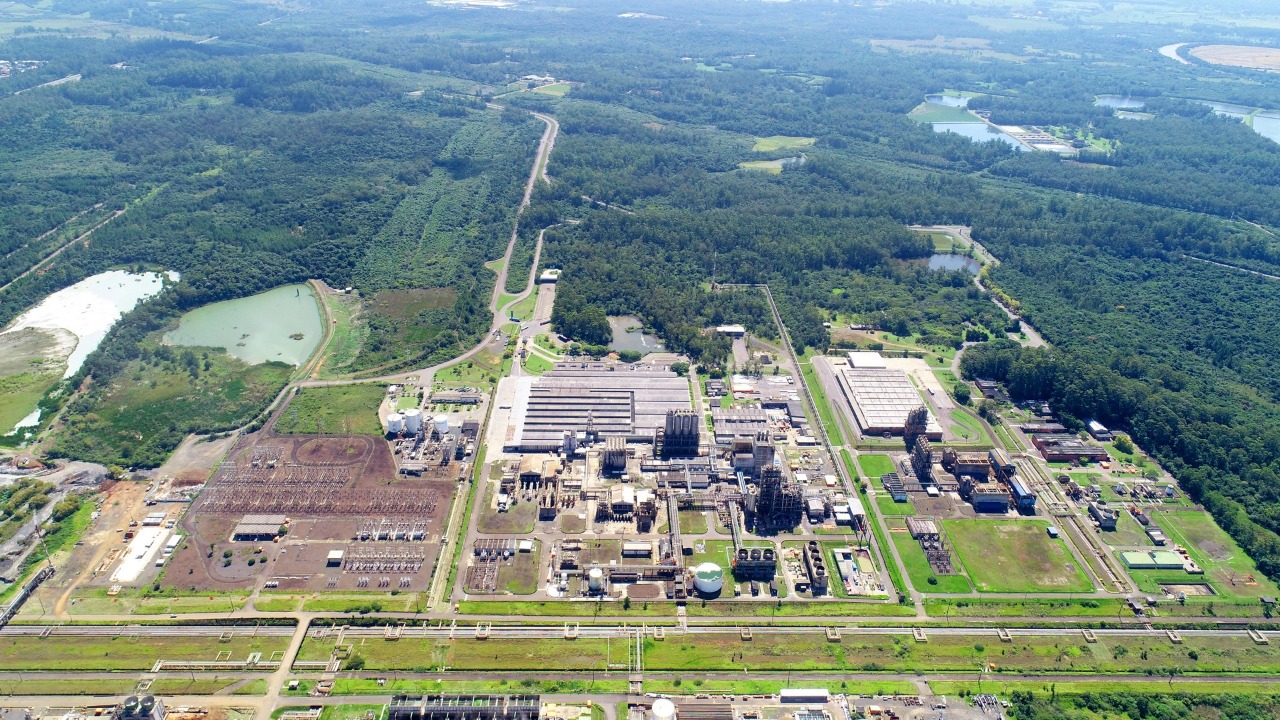
Article Image: Green belt surrounding Triunfo's Petrochemical Complex 2
Braskem's Triunfo Petrochemical Complex in Rio Grande do Sul (RS) operates two complementary pathways for sustainable ethylene production, positioning the...

Renewable Content in Chemicals and Polymers
Click here for full content
In recent years, pressures have increased on the chemical industry, especially in Europe, to accelerate the transition to a so-called circular economy, whereas the equivalent to decarbonisation in the energy sector is a transition to carbon from renewable sources in the chemical and plastics industries,...
Product Communicator
(*=Default)| Product | Title | Date | |
|---|---|---|---|

|
11/18/2024 | ||
|
|
11/18/2024 | ||
|
|
11/18/2024 | ||
|
|
6/25/2024 | ||
|
|
6/25/2024 | ||
|
|
2/15/2024 | ||
|
|
11/5/2023 | ||
|
|
11/9/2021 | ||
|
|
10/10/2021 | ||
|
|
10/10/2021 | ||
|
|
10/9/2021 | ||
|
|
10/9/2021 |
| Products (Quick Access) | Abbr. | Default |
|---|---|---|
| Automotive Diesel Oil | ADO | |
| Atmospheric Gas Oil | AGO | SRGO | |
| Bio Heating Oil | BHO | |
| Cutter Stock | ||
| Cycle Oil | ||
| Diesel | ||
| Distillate Fuel Oil | DFO | |
| Extra-Light Heating Oil | ELHO | |
| Fuel Oil n° 2 / Home Heating Oil | HHO | |
| GTL Fuel | GTL | |
| Heating Oil | ||
| Heavy Atmospheric Gasoil | HAGO | |
| Heavy Coker Gasoil | CHGO | |
| Heavy Cycle Oil | HCO | |
| Heavy Vacuum Gasoil | HVGO | |
| High-Speed Diesel | HSD | |
| Hydrocracker Distillate | HCGO | |
| Hydrotreated Diesel | ||
| Hydrotreated Pyoil | ||
| Hydrotreated VGO | HT VGO | |
| Intermediate Vacuum Gasoil | IVGO | MVGO | |
| Light Atmospheric Gas Oil | LAGO | |
| Light Coker Gasoil | COLO | |
| Light Cycle Oil | LCO | |
| Light Diesel Oil | LDO | |
| Light Vacuum Gasoil | LVGO | |
| Marine Diesel Oil | MDO | |
| Plastics PyOil | PyOil | |
| Premium Diesel Fuel | ||
| Ultra-Low Sulfur Diesel | ULSD | |
| Vacuum Diesel | VD | |
| Vacuum Gasoil | VGO | |
| Visbreaker Gasoil |
Settings
- Status
- A
- Unit of Measure
- Barrels
- Physical State
-
Liquid
Content provided by
| Transaction | Name | Date |
|---|---|---|
| Modified by |
Kokel, Nicolas
|
6/9/2026 9:43 AM |
| Added | 5/21/2021 9:04 PM |