
Product
Bagasse
Insight Articles
#PS711
Main Product
Agricultural Processing Residues
Segment
Animal and Vegetal Products
Main-Family
Lignocellulosic Biomass
Sub-Family
Agrricultural Residues
Physical State

Solid

Description

Bagasse is the fibrous lignocellulosic residue remaining after crushing or diffusing sugarcane or sorghum stalks to extract juice, representing the world's most abundant agricultural processing byproduct with approximately 475-570 million tons generated annually from global sugarcane production.​

Definition and Generation

Bagasse consists of crushed cane fibers (parenchyma, rind, and bast tissue) produced at 250-300 kg per tonne of fresh sugarcane processed, with typical moisture content of 47-52% as it exits the mill. The term derives from French bagage via Spanish bagazo, originally meaning "refuse" or "trash".​

Composition

Dry basis composition:

  • Cellulose: 40-55% (typical 45-50%)
  • Hemicellulose: 20-35% (typical 25-28%)
  • Lignin: 18-30% (typical 20-24%)
  • Ash: 1-6% (typical 2-4%)
  • Residual sugars: 2-5% in unwashed bagasse​

Energy properties:

  • Higher heating value: 17-19 MJ/kg (dry basis)
  • Lower heating value: 7.5-9.0 MJ/kg (as-fired at 50% moisture)​

Primary Applications

Energy generation (90%+ of use): Direct combustion in boilers provides complete process energy self-sufficiency for sugar mills and ethanol distilleries, generating 80-120 kWh electricity per tonne of cane with surplus exported to grid.​

Pulp and paper: Cellulose source for paper production in regions with limited forest resources.​

Sustainable packaging: Molded into compostable food service items (plates, bowls, containers) as biodegradable alternative to plastic and polystyrene.​

Chemical feedstock: Converted to furfural, cellulosic ethanol, and platform chemicals via hydrolysis or gasification.​

Agricultural use: Soil amendment providing organic matter (95% OM) and improving water-holding capacity; composting material; mushroom cultivation substrate.​

Key Characteristics

Advantages:

  • Zero acquisition cost byproduct with no competing food/feed value
  • Enables 100% renewable energy self-sufficiency at sugar/ethanol facilities
  • Carbon-neutral combustion (CO₂ offset by photosynthetic capture during cane growth)
  • Compostable within 90-180 days when used for packaging applications
  • Qualifies as processing residue under RED II/ISCC sustainability frameworks​

Limitations:

  • High moisture content (47-52%) requires appropriate boiler design
  • High silica ash (up to 20%) causes slagging and fouling in combustion systems
  • Low bulk density (150-200 kg/m³ wet) creates handling and storage challenges
  • Seasonal generation during crushing periods (200-300 days/year)​

Bagasse exemplifies circular bioeconomy principles by converting a processing waste stream into energy, materials, and chemicals, contributing to the economic viability and environmental sustainability of the global sugar and bioethanol industries while annually preventing landfilling or open burning of nearly 500 million tons of agricultural residue.

References

  1. (Last edited: Nov 5, 2005). Bagasse. Wikipedia
  2. (Last edited: Mar 22, 2021). BagasseBritannica
  3. (2014). Bagasse. ScienceDirect
  4. Bhadha J.H., Xu N., Khatiwada R., Swanson S., & LaBorde C. (Sep 23, 2020). Publication SS690 - Bagasse: A Potential Organic Soil Amendment. Gainesville: University of Florida
  5. (2021). ISCC EU 202-5 Waste and Residues. ISCC Certification Document v4.0. ISCC

Insight Articles
Your insights will be shown here

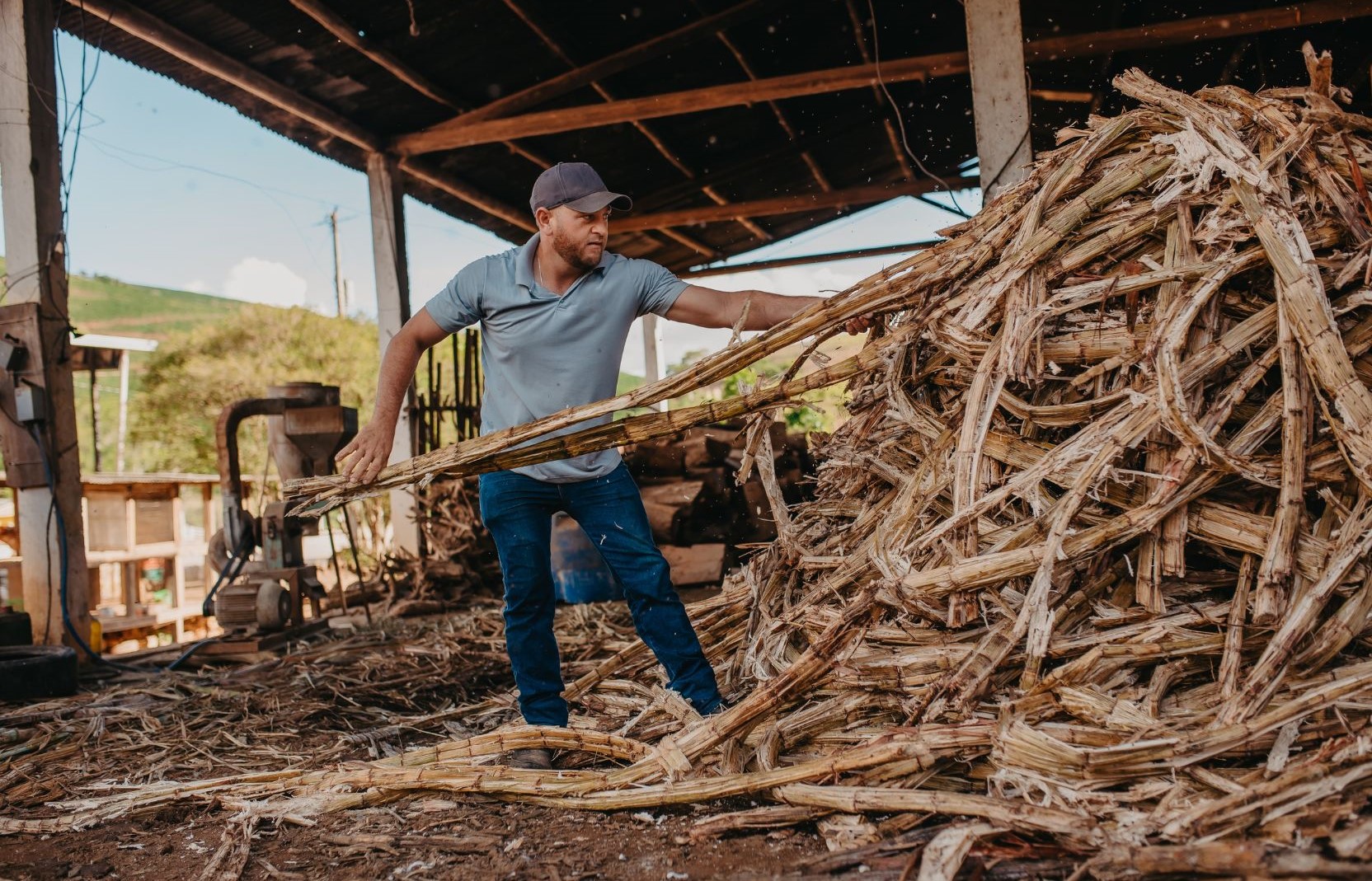
Man working on a farm collecting sugarcane bagasse
  Product Communicator
Identifiers

No Identifiers defined

Chemical Data

Specific Gravity
1.00
Crude Data

API Gravity
10
Country
Product Settings

Default
Status
A
Content provided by
Transaction Name Date
Modified by UserPic   Kokel, Nicolas 12/11/2025 2:01 PM
Added by UserPic   Kokel, Nicolas 12/11/2025 1:40 PM