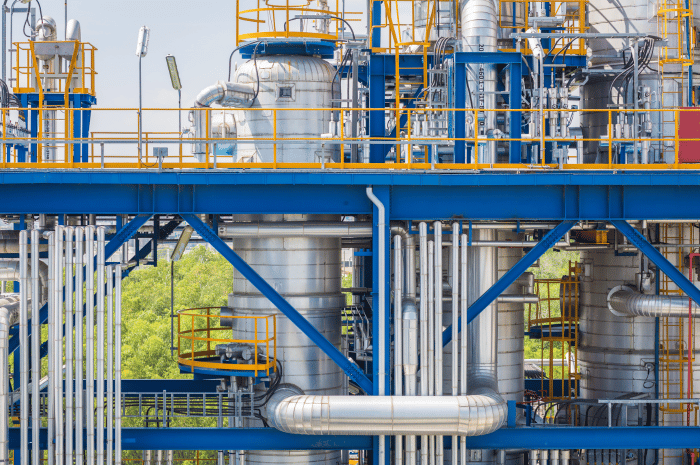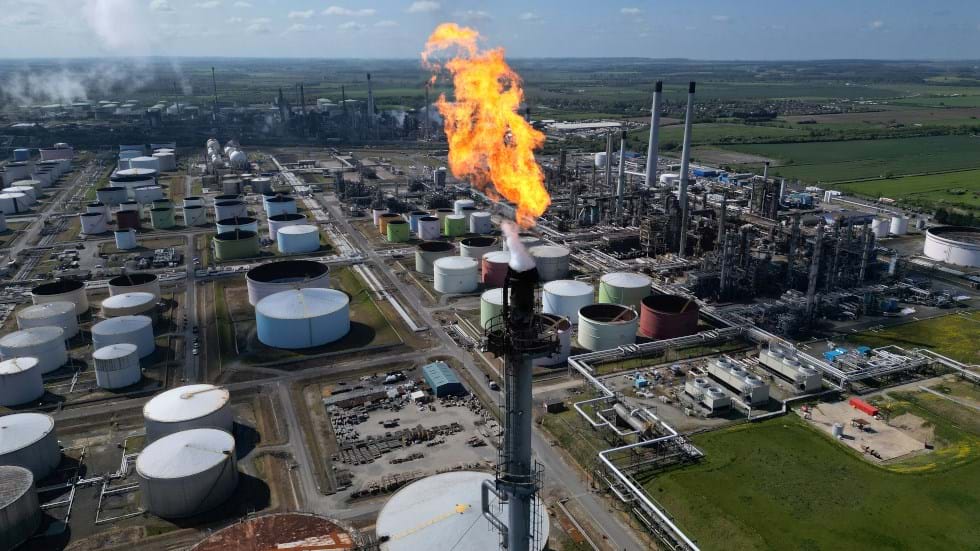
Lindsey Refinery was placed into insolvency | Photo: Mike Seaman, shutterstock.com
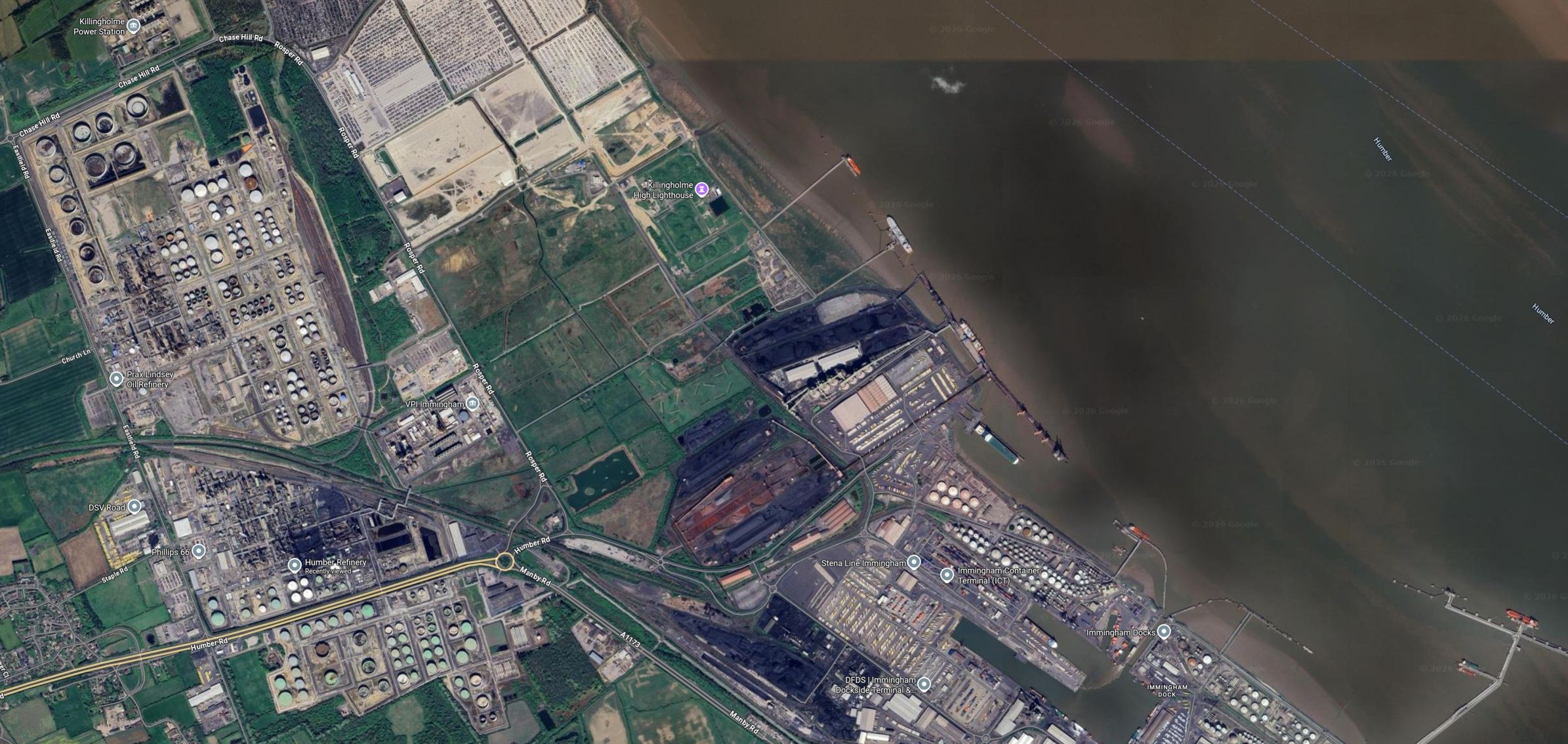
The Lindsey Oil Refinery is one of the UK's largest and most technically complex oil refineries, situated on the southern bank of the Humber Estuary at North Killingholme, North Lincolnshire — approximately five miles from the town of Immingham and directly adjacent to Phillips 66's Humber Refinery. Commissioned in 1969 following two years of construction, Lindsey holds the distinction of being the first refinery in the United Kingdom to process North Sea crude oil, a milestone that underlined its strategic importance to British energy security from its earliest years of operation.
The refinery was originally developed as a joint venture between Total and Fina (Petrofina), two major European oil majors, and reflected the continental European downstream investment strategy of the late 1960s. Over subsequent decades, Total consolidated full ownership as the partnership evolved, and the site became a cornerstone of Total's UK downstream operations — supplying approximately 150 fuel station forecourts and a number of major airports across the country with transportation fuels.
In March 2021, TotalEnergies divested the refinery entirely, selling it to the independent Prax Group, a UK-based oil trading and retail conglomerate. Under Prax's ownership, the refinery continued operating but faced significant financial headwinds, ultimately entering insolvency in June 2025 when the Official Receiver was appointed liquidator. Following a competitive bidding process managed by FTI Consulting, Phillips 66 Limited agreed in January 2026 to acquire the refinery's assets, with the stated intention of integrating key process units and infrastructure into the adjacent Humber Refinery rather than restarting Lindsey as a standalone operation.
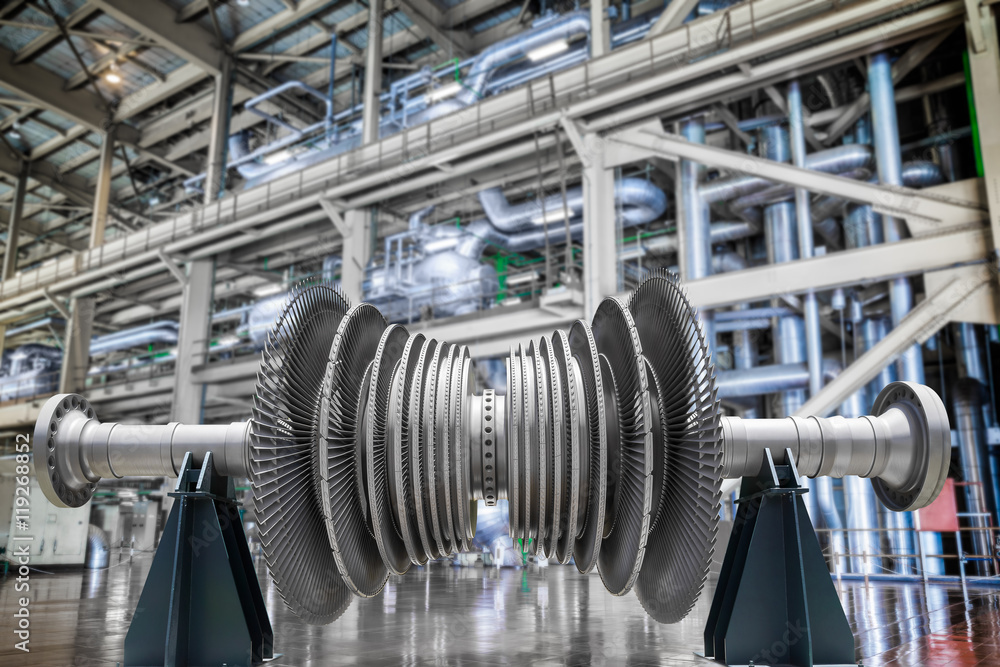
Throughout its operational life, Lindsey underwent multiple rounds of expansion and modernisation. The refinery's conversion capability was substantially deepened in the 1970s–1990s through the addition of a Fluid Catalytic Cracker (FCC), an alkylation unit and a visbreaker, all of which enabled higher-value product yields from the bottom of the barrel. A major milestone came in 2007 with a significant capital investment programme that added a third Hydrodesulphurisation (HDS) unit and an associated Steam Methane Reformer (SMR) for on-site hydrogen production — a package that raised the refinery's sour crude processing capacity from approximately 10% to around 70% of throughput, greatly broadening its feedstock flexibility and commercial competitiveness. A 38 MW Combined Heat and Power (CHP) gas turbine operated by RWE Generation UK PLC has supplied the refinery with steam and electricity since 1997, underpinning its energy self-sufficiency.
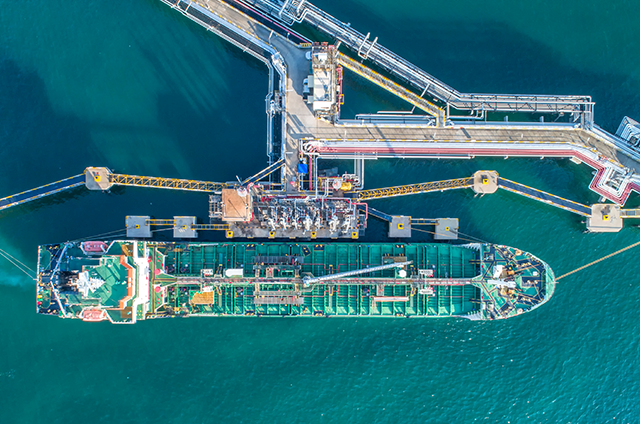
Lindsey's logistics infrastructure was equally impressive. The site's 158 storage tanks and spheres provided a combined capacity of approximately 1.887 million cubic metres of crude and products, enabling significant operational buffer and trading flexibility. Finished products departed the site via four primary modes: road tanker (up to 400 vehicles per day), a five-bay rail loading terminal (capable of filling a 100-tonne car in 20 minutes), the Killingholme marine terminal on the Humber Estuary for coastal and deep-sea shipments, and the Finaline pipeline — a 232 km, 10-inch high-tensile steel pipeline commissioned in 1991 that connected the refinery to distribution points in the English Midlands. The Finaline was acquired as part of the Prax Group transaction in 2021 and formed a core component of the asset package subsequently acquired by Phillips 66.