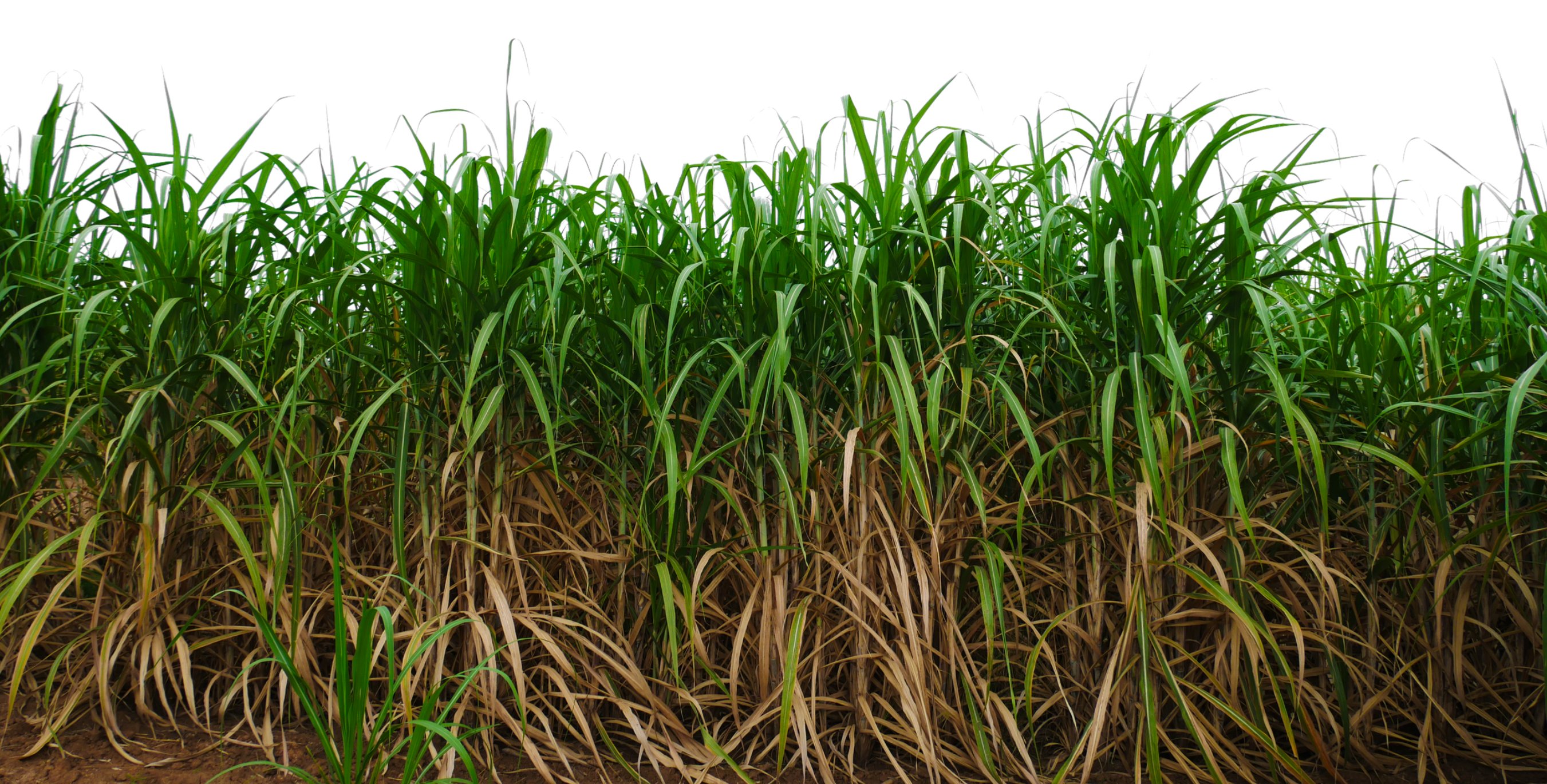
Sugar crops from the grass family (Poaceae ) are tall perennial or annual monocotyledonous plants cultivated for high concentrations of fermentable sugars (primarily sucrose, glucose, fructose) naturally accumulated in their stems or stalks, distinguished from cereal grasses by being harvested for stem juice rather than grain. These crops enable direct alcoholic fermentation without enzymatic saccharification, making them simpler and more energy-efficient feedstocks for bioethanol production compared to starch-based crops.
Principal Species
Sugarcane (Saccharum officinarum and hybrids)
Characteristics: Perennial tropical/subtropical grass reaching 3-6 meters height with thick fibrous stems containing 10-20% total sugars (primarily sucrose). Propagated vegetatively from stem cuttings (setts), requiring 12-18 months to first harvest and 18-24 months for subsequent ratoon crops.
Requirements: High water demand (1,500-2,500 mm annual rainfall or irrigation), warm temperatures (20-30°C optimal), fertile soils, and frost-free growing period.
Productivity: 50-120 tons fresh cane per hectare per year; 6,000-8,000 liters ethanol per hectare; 250-300 kg bagasse per tonne cane (fibrous residue for energy cogeneration).
Sweet Sorghum (Sorghum bicolor L. Moench)
Characteristics: Annual temperate/subtropical grass reaching 1.2-4 meters height with sweet juicy stalks containing 13-24% total sugars (Brix), combining sugar production in stems with grain production in seed heads.
Requirements: Significantly lower water demand than sugarcane (400-600 mm vs. 1,500-2,500 mm); drought-tolerant with extensive fibrous root system; adaptable to marginal soils and saline-alkaline conditions; warm soil for germination (18-20°C).
Productivity: Short growing cycle (90-120 days vs. 12-18 months for sugarcane); 24-120 tons fresh stalks per hectare; 3,000-5,000 liters ethanol per hectare; dual-purpose crop producing 1.5-7.5 tons grain per hectare plus sugar stalks.
Key Advantages Over Starch Crops
- Direct fermentation pathway: No enzymatic saccharification required, eliminating α-amylase and glucoamylase costs and processing steps
- Energy self-sufficiency: Bagasse (fibrous residue) provides 100% of process steam and electricity through cogeneration
- Higher land productivity: 2-3× ethanol yield per hectare compared to corn (temperate climates)
- Superior GHG profile: 70-90% lifecycle greenhouse gas reduction vs. gasoline
- Rapid fermentation: 8-12 hours with continuous systems vs. 48-72 hours for starch-based processes
Agronomic Distinctions
Sugarcane advantages: Higher sugar concentration (10-20% vs. 13-24% Brix for sweet sorghum); established supply chains and processing infrastructure; year-round availability in tropical regions through staggered planting.
Sweet sorghum advantages: Mechanized planting and harvesting from seed (vs. manual vegetative propagation); shorter crop cycle enabling double-cropping rotations; drought tolerance for marginal lands; production viable in temperate zones unsuitable for sugarcane.
Geographic Distribution
Sugarcane dominates tropical/subtropical zones (Brazil, India, Thailand, Pakistan, China, southern USA) while sweet sorghum enables sugar-based ethanol production in semi-arid and temperate regions (northern USA, Mediterranean, sub-Saharan Africa, central Asia) where water scarcity or seasonal frost preclude sugarcane cultivation.
References
- Reddy, B.V.S., & Ramesh, S. (2003). Sweet Sorghum: Characteristics and Potential. International Sorghum and Millets Newsletter, 44, 26-28. ICRISAT, Patancheru, India
- Hannah, B., & Ewing, P. (Sep 2, 2014). Sweet Sorghum Production to Support Energy and Industrial Products. Publication AG-720. Raleigh: North Carolina State University Extension
- Brand, K., Donnelly, E., Kaplan, J., & Wang, M. (Jan 16, 2014). Sugar Cane Ethanol Plant Design Report. Cornell University, School of Chemical and Biomolecular Engineering
- Vohra, S. (Dec 14, 2022). India aims to go big on sugarcane-based ethanol, but water intensity of the crop throws up concerns. Mongabay India
- Muller G. et al. (Jul 29, 2023). Improved Sugarcane-Based Fermentation Processes by an Isolated Yeast Strain from Colombian Bagasse. J. Fungi (Basel), 9(8), 803
- Kumar, D., & Singh, V. (2019). Bioethanol production from corn. In Corn (3rd ed., pp. 615-631). AACC International Press
- Liu, X., Khanna, M., Wang, M., & Wu, M. (Aug 1, 2023). Life Cycle Greenhouse Gas Emissions of Brazilian Sugar Cane Ethanol. Environmental Science & Technology, 57(30), 11119-11129