Evolving Configuration in Refineries in India

Around Early 90’s Refineries of 6 MMTPA were conceived with some secondary processing capacity. The Bottoms mostly looked at Bitumen and Visbreaker. The Fuel Oil make was high and the product specifications conformed at best to EURO II & III norms. The Emphasis at this stage remained to maximize LPG and Diesel. Kerosene too was recovered as a product.
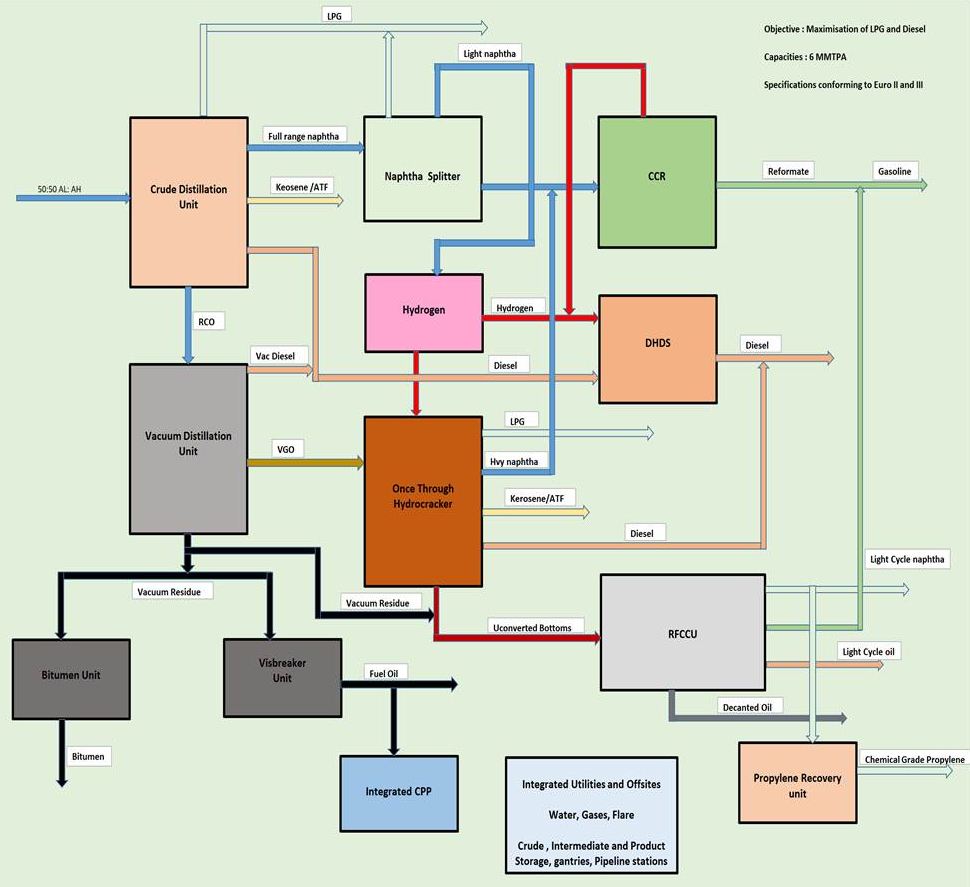
Figure 1 - Early Grassroot Refinery in the 1990s
The next Phase of development came towards the end of 2000 through 2004. The Refineries were expanded to add another 6 – 9 MMTPA capacity such that the total capacity of the refineries ranged between 12-15 MMTPA. The key considerations in this period was to upgrade the product quality to Euro IV and maximize conversion. Vis-breaker and bitumen were to be phased out and entire bottoms of the existing and expansion projects were upgraded in a Delayed Coker unit to maximize distillates. Since Diesel and LPG were to be maximized a full conversion Hydrocracker was introduced in the complex. The trend for kerosene phasing also began to emerge. Diesel of the existing and expansion was upgraded to Euro IV/VI.
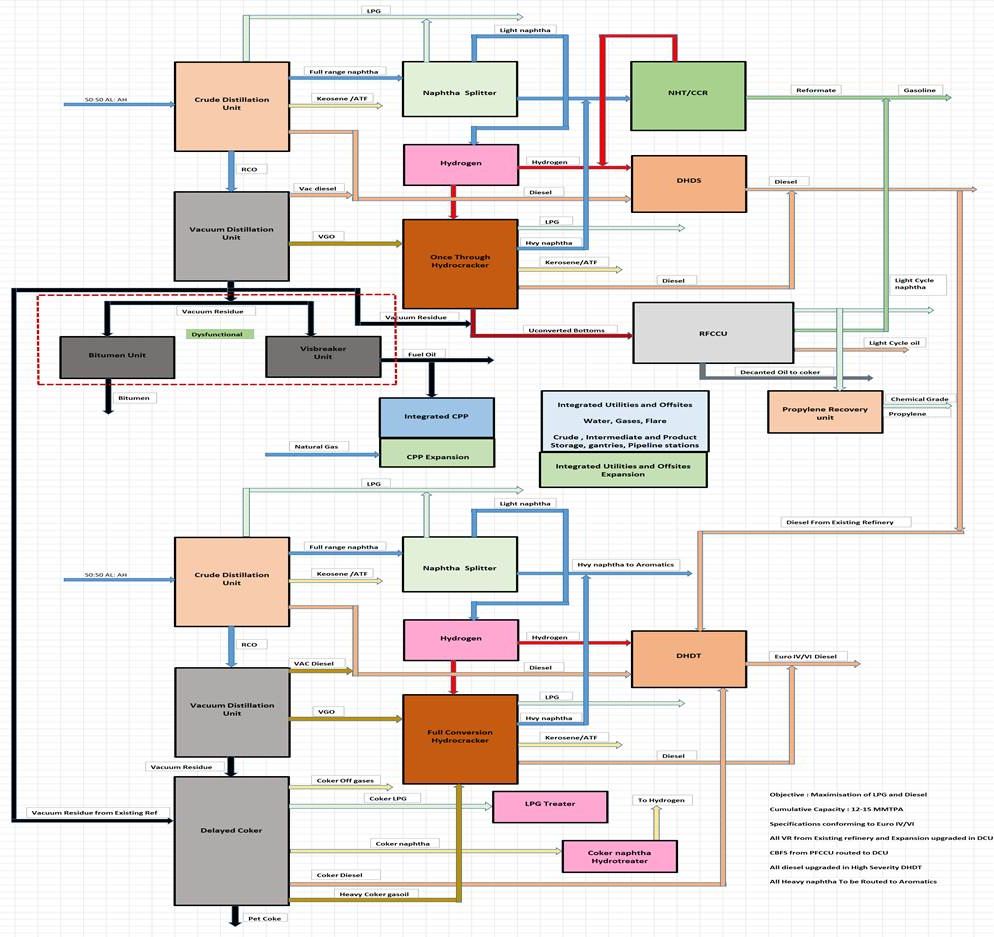
Figure 2 - Early 2000 Expanded Refinery with High-Quality Product Upgradation - Increased Conversion & Complexity
In the next phase of development an Aromatic complex and an Olefin complex was added. All Heavy Naphtha (HN) as routed to the Aromatic Complex and surplus Light Naphtha (LN) from the refinery was routed to Steam Cracker. To cater to the capacity requirement Light and Heavy naphtha was sourced from other refineries and integrated respectively to the Olefin and Aromatic complex.
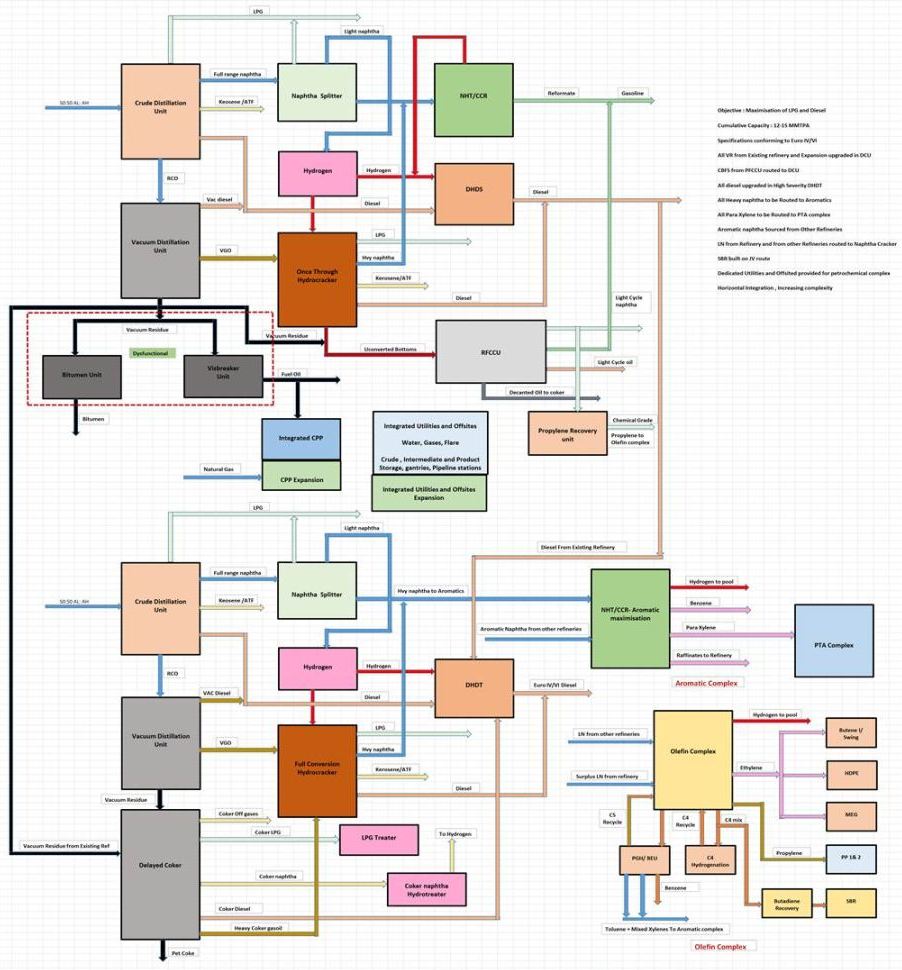
Figure 3 - 2007-2008 Horizontal Addition of Aromatic & Olefin Complex - Horizontal Expansion of Complex
Between 2007 to 2016 the Refinery configurations altered as the natural demand of the HC plants altered directionally from distillates to augment more and more petrochemicals. The Vacuum Gasoil Hydro-treater - Petro-FCCU (PFCCU) as the secondary processing and Delayed Coker as the bottoms upgrader remained one of the favored configurations. The plants now addressed Euro VI specifications, with increased natural gas availability the Hydrogen Plant as well as CPP switch over to gas as fuel. LN displaced found way into isomerization units or emerged as the Cracker Feedstock.
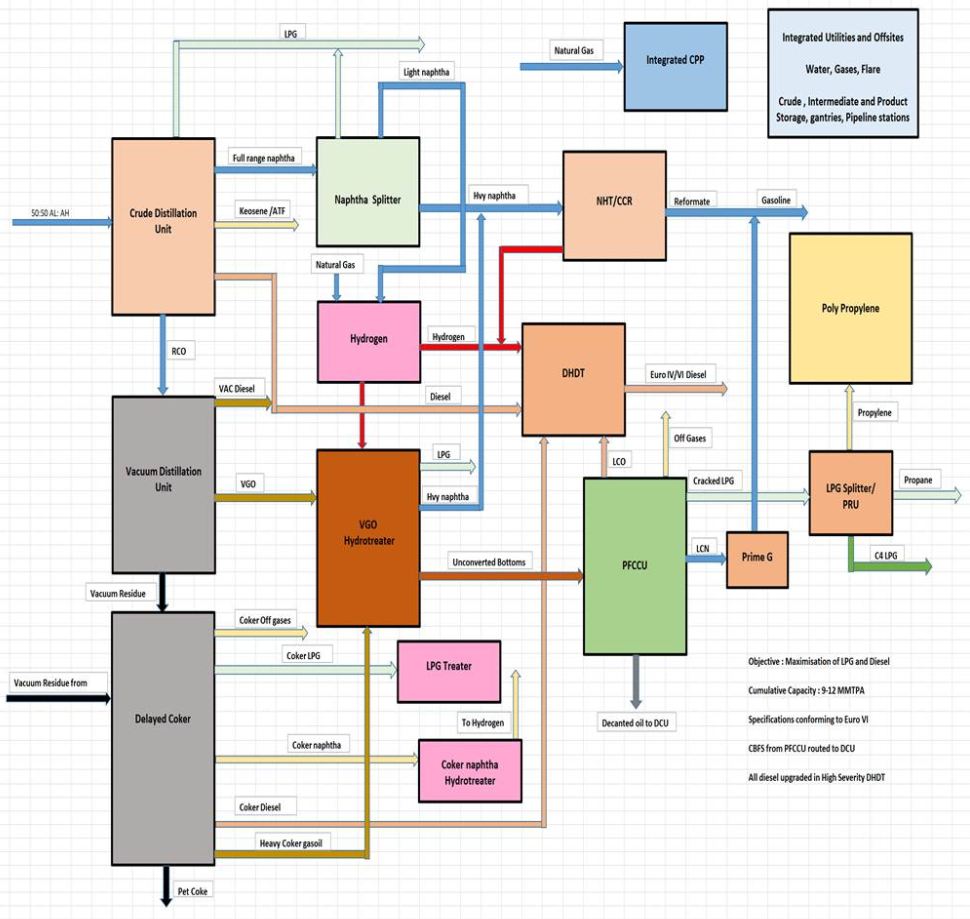
Figure 4 - 2008-2016 Changing Trend of Maximising Petrochemicals & Rationalising Diesel - Increasing Complexity
#refineryconfiguration #indianrefineries #visbreaker #bitumen #bottomofthebarrel #hydrocracker #delayedcoker #lpg #diesel #kerosene #lightnaphtha #heavynaphtha #petrofcc
|
Gupta, Sanjay
7/24/2026 6:39 AM
Some people have requested us to include the period beyond 2016, and include a slurry hydrocracker based configuration whih has been implemnted in some projects. Also there is a request to discuss a gasoline max refinery configuraton. We will do the same. Should you too have some requirements please let us know so that we can prepare a paper in continuity. |
|
Gupta, Sanjay
7/24/2026 6:34 AM
Mr Nicole/ Mr Uwe Thank you for your cooperation and setting up the article on the platform. We will publish something in continuity later. |